





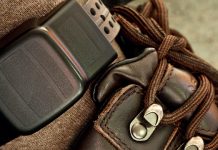
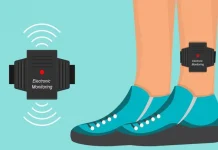
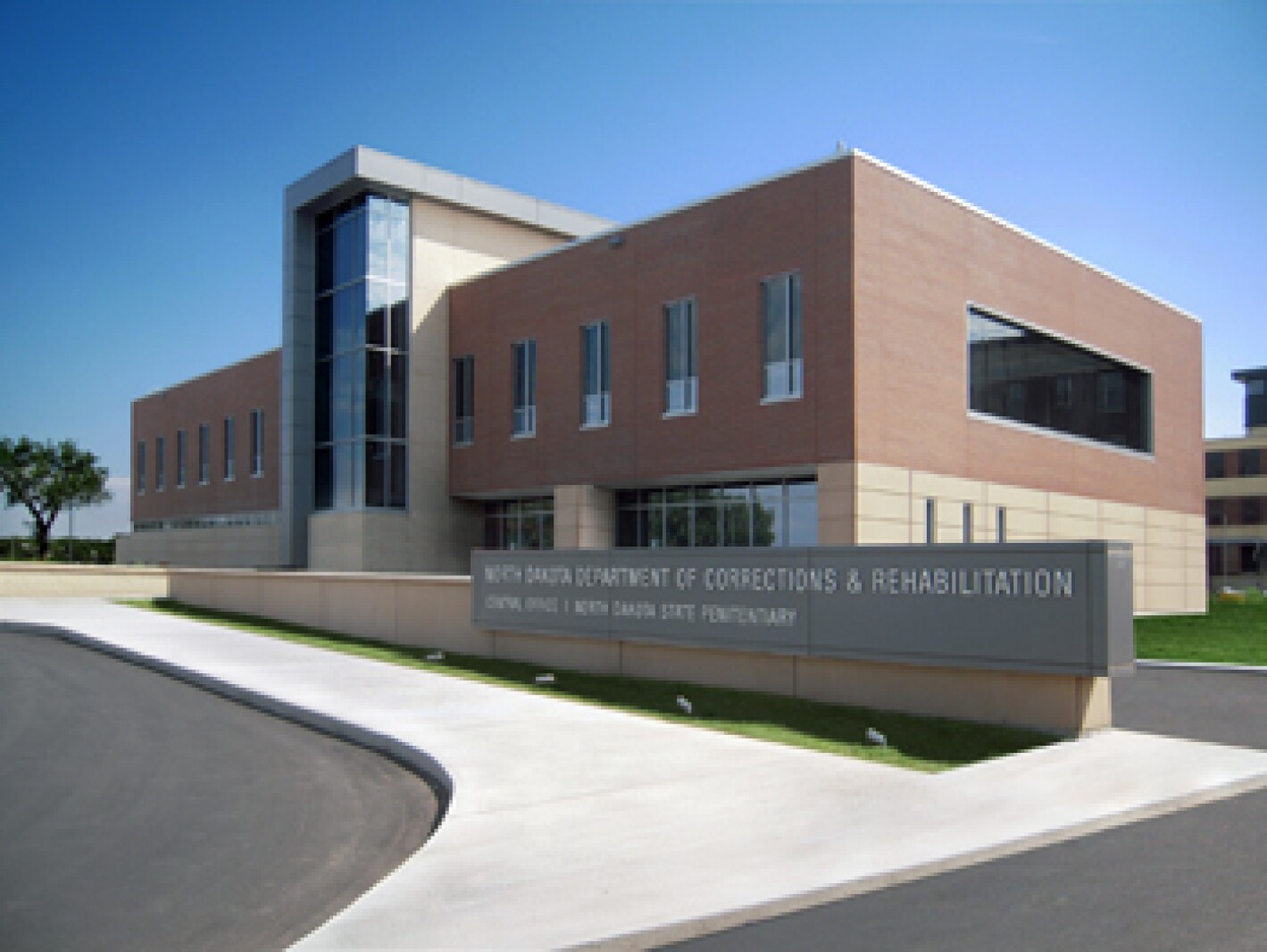
North Dakota’s Emergency Commission recently greenlit a significant funding increase – $105,000 – to broaden its electronic monitoring capabilities. This isn’t just an arbitrary budget line item; it’s a deliberate expansion aimed at integrating advanced GPS ankle bracelet technology into the state’s transitional facilities and parole/probation programs. From an operational standpoint, this move is designed to address multiple challenges: enhancing public safety through robust offender tracking, supporting successful community re-entry, and alleviating persistent pressure on detention facilities.
Key Takeaways
- Expanded Reach: The $105,000 in new funding will enable the North Dakota Department of Corrections and Rehabilitation (DOCR) to place an additional 110 individuals on GPS monitoring, bringing the statewide total under electronic supervision to over 400.
- Recidivism Reduction: The state explicitly frames this investment as a tool to prepare individuals for successful release, with the expectation of lowering recidivism rates and reducing returns to prison.
- Prison Capacity Management: Utilizing community supervision with an ankle monitor offers a critical alternative to traditional incarceration, helping to manage prison populations and divert eligible people from costly jail beds.
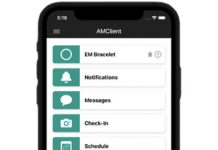
- Enhanced Public Safety: Real-time offender tracking provides immediate alerts for unauthorized movements, allowing for quicker responses and strengthening community safety protocols.
Maximizing Re-entry and Capacity
As someone who’s spent 15 years overseeing offender supervision programs, I’ve seen firsthand the delicate balance between accountability and opportunity. The DOCR’s strategy to expand GPS monitoring reflects a pragmatic understanding of this challenge. By investing in an electronic monitoring program, North Dakota isn’t just adding a surveillance layer; it’s creating pathways. The alternative for many of these individuals would be continued detention, which is not only more expensive but also less conducive to rehabilitation. Equipping individuals in transitional facilities with a GPS ankle bracelet allows them to work, access treatment, and re-establish community ties – all critical elements for successful re-entry – while maintaining a high level of supervision. This proactive approach supports the individual’s journey toward self-sufficiency while simultaneously easing the strain on the state’s correctional infrastructure, which I know from experience is a constant battle for most departments.
Operational Realities of Electronic Tagging
The evolution of electronic tagging, particularly the advancements in GPS ankle bracelet technology, has fundamentally changed how we approach community supervision. Gone are the days of limited range and infrequent check-ins. Modern GPS monitoring offers real-time data, providing officers with precise location information and the ability to define exclusion zones or curfews. This doesn’t just offer peace of mind; it transforms operational response. When an individual makes an unauthorized move, staff receive immediate alerts, enabling a swift and informed response that simply wasn’t possible with older methods. This blend of accountability and immediate oversight is essential for securing public safety while still offering individuals the chance to reintegrate into society. It represents a cost-effective alternative to incarceration, allowing agencies to utilize high-cost jail beds for those who pose a greater risk to the community.
This expansion, while approved by the Emergency Commission, still awaits final approval from the legislature’s budget section on March 18. Looking ahead, the DOCR has signaled its intent to seek ongoing funding in future bienniums. This commitment suggests North Dakota views expanded electronic monitoring and offender tracking not as a temporary measure, but as a sustained component of its comprehensive approach to criminal justice and community supervision.
Source: North Dakota adds $105,000 for GPS monitoring in transitional facilities