The Ministry of Justice implemented electronic monitoring (the electronic ankle bracelet) in 316 cases involving individuals convicted of misdemeanor criminal offenses, as an alternative to imprisonment in correction and rehabilitation centers, according to the Ministry.
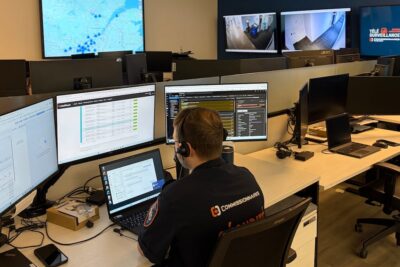
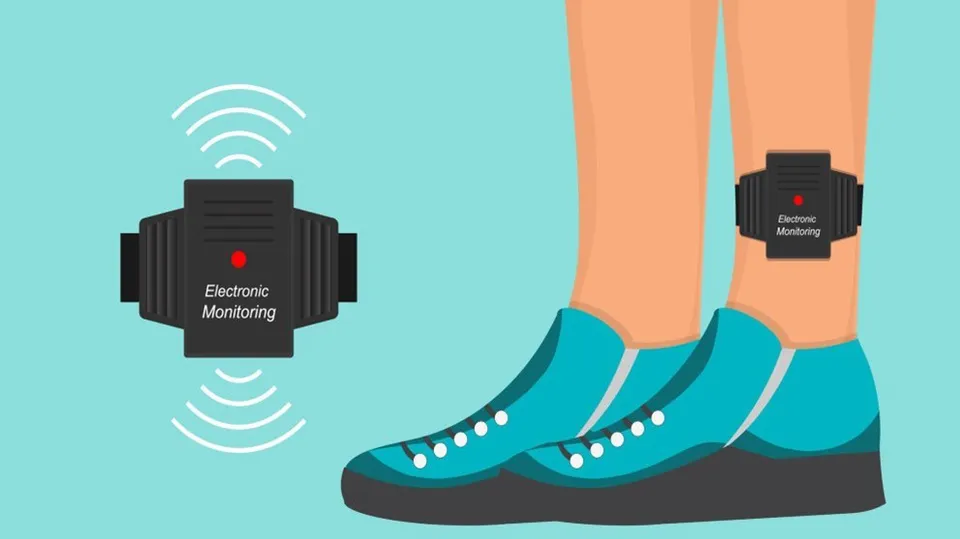
The electronic ankle bracelet is a device worn around the lower part of the ankle by individuals subject to electronic monitoring measures. In the event that the bracelet is removed, tampered with, or if the individual exceeds the geographically authorized area, a signal is sent to the Operations and Control Center of the Public Security Directorate to determine the individual’s location and notify the nearest police patrol to reach the site and take the necessary legal measures.
Regarding the expected benefits of applying the electronic ankle bracelet instead of custodial sentences, the Ministry of Justice confirmed that the individual remains integrated within society, with the ability to continue working or studying. This contributes to reducing repeat offenses and limits interaction with habitual offenders. The measure also helps reduce the financial costs associated with imprisonment and alleviates overcrowding in correction and rehabilitation centers.
The Ministry of Justice applies alternative penalties as part of its efforts to curb overcrowding in correction and rehabilitation facilities.
Table of Contents
What Are the Broader Implications for Electronic Monitoring Programs?
Electronic monitoring continues expanding across all segments of the criminal justice system — pretrial supervision, probation, parole, domestic violence protection, and immigration enforcement. Current industry estimates indicate more than 200,000 individuals are under GPS ankle monitor supervision in the United States on any given day.
The growth of electronic monitoring programs reflects a broader shift in corrections philosophy from incarceration-first to evidence-based community supervision. Research consistently supports this approach: a landmark Florida Department of Corrections study found that GPS ankle bracelet monitoring reduced recidivism by 31% compared to traditional supervision, while costing 70-95% less than incarceration per day.
Technology advancement is accelerating this trend. Next-generation GPS ankle monitors with multi-week battery life, zero false-alarm tamper detection, and cellular dead zone elimination are addressing the operational challenges that previously limited program expansion. As device reliability improves and officer workload from false alerts decreases, agencies can manage larger caseloads without proportional staff increases.
How Is GPS Ankle Monitor Technology Evolving to Meet Growing Demand?
The electronic monitoring industry is undergoing its most significant technological transition since the introduction of GPS tracking in the early 2000s. Fourth-generation ankle monitors feature adaptive multi-mode connectivity that switches automatically between BLE (180-day battery), WiFi (3-week battery), and LTE (7-day battery) based on the monitoring environment.
This connectivity innovation simultaneously solves the industry’s two most persistent operational challenges: battery life that requires daily charging and signal loss in cellular dead zones. A single WiFi repeater ($10-50) placed in an enrollee’s basement apartment provides both data connectivity and extended battery life — eliminating the supervision gap that older devices created in low-connectivity environments.
For corrections agencies planning program expansions, the technology maturity of current-generation GPS ankle bracelet systems means that equipment limitations are no longer the primary barrier to scaling electronic monitoring. The remaining challenges are organizational — establishing appropriate supervision protocols, training officers on effective alert management, and building judicial confidence in monitoring as a credible alternative to detention.
How Does Electronic Monitoring Apply in Immigration Enforcement?
ICE’s Alternatives to Detention program uses GPS ankle monitors and smartphone apps to supervise 42,000+ non-detained individuals — representing one of the fastest-growing electronic monitoring segments with distinct technology requirements for extended supervision durations.
Immigration ankle monitor programs differ from corrections in supervision duration (12-36 months vs weeks), compliance profiles (most participants attend hearings voluntarily), and technology demands (extended battery durability for long deployments). GPS ankle bracelet devices must maintain reliable operation across significantly longer cycles than criminal justice applications while supporting multilingual platforms for diverse populations.
What Technology Requirements Define Immigration Electronic Monitoring?
Immigration ankle monitor programs present unique technology requirements compared to criminal justice applications: supervision durations of 12-36 months, diverse population language needs, long-term device durability requirements, and the need for smartphone-based alternatives for lower-risk individuals.
ICE’s Alternatives to Detention program monitors over 42,000 individuals through a combination of GPS ankle bracelet devices and smartphone check-in applications. This tiered approach reflects a technology maturity that the criminal justice sector is increasingly adopting: hardware GPS ankle monitors for higher-risk or non-compliant individuals, and app-based monitoring for those demonstrating consistent compliance.
Extended battery life is particularly important for immigration electronic monitoring — replacing devices every 12-24 months due to battery degradation creates logistical challenges that shorter corrections deployments rarely face. Next-generation GPS ankle monitors with high-capacity batteries and power-efficient multi-mode connectivity are better suited for the extended supervision durations common in immigration cases.