








Electronic monitoring, commonly known for supervising individuals on parole or probation, is increasingly serving a critical, albeit less publicized, role: providing crucial evidence in criminal investigations. This evolution transforms ankle monitors from mere compliance tools into powerful forensic assets for law enforcement.
Key Takeaways
- GPS tracking data from electronic monitoring devices now offers precise location information, directly linking individuals to specific times and places relevant to criminal incidents.
- Electronic monitoring evidence is actively used to corroborate or challenge other investigative leads, such as witness statements, cellphone records, and forensic findings.
- This application marks a significant shift, expanding the utility of ankle monitors beyond their primary function of community supervision, transforming them into valuable investigative and prosecutorial tools.
Expanding the Evidentiary Toolkit
A recent case in Utah offers a clear example of this expanded utility. Federal prosecutors in Salt Lake City leveraged GPS ankle monitor data to connect two individuals to a firearm recovered after a fatal January shooting incident, according to the U.S. Attorney’s Office for the District of Utah. The indictment unsealed charges against 32-year-old Ryan Toutai and 26-year-old Fineeva Maka with firearms offenses.

Prosecutors allege the men are gang members and that the shooting, which resulted in two deaths and six injuries, stemmed from a dispute at a funeral gathering. The electronic monitoring evidence, combined with cell phone videos and photos, was critical in tying the men to the weapon. This application demonstrates how location-based data from these devices can serve as objective corroboration or direct evidence, offering a precise, time-stamped record of an individual’s presence at or near a crime scene. Such data can be crucial when other traditional forms of evidence are limited or inconclusive.
From Surveillance to Source of Truth
Historically, electronic monitoring primarily served as a deterrent and a means of ensuring compliance with court orders, enforcing house arrest or geographic restrictions for individuals awaiting trial or on probation and parole. Its application as direct forensic evidence in investigations, particularly for violent crimes, marks a significant evolution in how law enforcement leverages these technologies.
This shift parallels the increasing reliance on other forms of digital footprints – from cellphone tower pings and social media activity to vehicle telematics – which have become indispensable in modern criminal investigations. The precision offered by GPS data in real-time tracking provides a layer of certainty that traditional surveillance methods often lack.
A Competitive Field
The electronic monitoring sector remains a dynamic field with several established providers. BI Incorporated, a GEO Group company, holds a significant market share in the U.S. SCRAM Systems is well-known for its continuous alcohol monitoring devices. Attenti, now part of Allied Universal, operates internationally, serving programs across more than 30 countries.

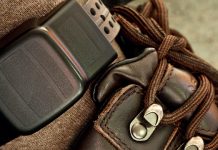
The market also sees innovation from specialized manufacturers offering compact one-piece GPS designs, such as the CO-EYE series, which incorporates features like optical-fiber tamper detection and rapid three-second snap-on installation.
As electronic monitoring technologies continue to advance, their role in the justice system is clearly broadening. Expect to see increased debate regarding the scope of data collection, storage, and access protocols, as these devices become even more integral to both supervision and investigation.
Source: Two indicted on firearm charges in connection with shooting » Borneo Bulletin Online