









The landscape of offender supervision continues to evolve, with electronic monitoring (EM) emerging as a prominent tool to manage individuals outside correctional facilities. This shift reflects a sustained effort by courts and probation departments to find alternatives to incarceration, balancing public safety with rehabilitation and cost efficiency. However, the expanding use of GPS ankle bracelets also highlights ongoing debates about technological reliability, privacy, and the efficacy of remote oversight versus traditional probation models.
The Expanding Scope of Electronic Supervision
Judicial systems across the United States are increasingly integrating electronic monitoring into probation sentences, particularly for individuals convicted of offenses that do not warrant immediate incarceration but still require stringent oversight. A recent example from Michigan illustrates this trend: former state representative Jewell Jones was sentenced to two years of probation, including six months of electronic monitoring, on March 2, 2026. The sentence followed his guilty plea to carrying a concealed weapon and possessing a weapon on restricted premises at Covenant Healthcare in August 2025.
For courts, EM offers a middle ground. It provides real-time location tracking and often includes exclusion zones—geofenced areas offenders are prohibited from entering or leaving. Proponents argue this technology allows individuals to maintain employment, support families, and reintegrate into society while remaining accountable. It also represents a cost-effective alternative to jail or prison, which can cost taxpayers hundreds of dollars per day per inmate. The use of an ankle monitor for Jones, for instance, means he remains under supervision without occupying a jail bed, reducing correctional burdens.
Technological Capabilities and Practical Challenges
The effectiveness of electronic monitoring relies heavily on the sophistication of the technology and the robustness of the monitoring infrastructure. Modern GPS ankle bracelets are designed to be tamper-resistant, utilizing features such as optical-fiber tamper detection, which can instantly alert monitoring centers to attempts to remove or disable the device. Many units are compact, one-piece designs, aiming for ease of wear and installation, often snapping on in a matter of seconds.
Yet, challenges persist. While GPS technology is generally reliable, signal loss in urban canyons or remote areas can generate false alerts, requiring manual verification by monitoring staff. Battery life is another critical factor, demanding consistent charging by the wearer. Furthermore, the human element remains vital. Even the most advanced ankle monitor requires a responsive monitoring center to process alerts and a probation officer to interpret data and intervene when necessary. The balance between automated surveillance and human supervision is central to the system’s integrity.
A Competitive Field
The electronic monitoring sector has no shortage of established players. BI Incorporated, backed by GEO Group, remains one of the largest providers in the U.S. SCRAM Systems dominates the alcohol monitoring niche with its continuous monitoring ankle devices. Attenti, now under Allied Universal, serves programs in over 30 countries. Smaller vendors have carved out niches too — from Buddi in the UK to manufacturers offering compact one-piece GPS designs like the CO-EYE series, which features optical-fiber tamper detection and a three-second snap-on installation.
The Bigger Picture
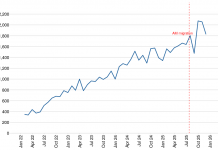
Cases like Jones’ highlight EM’s utility in a diverse range of criminal justice contexts, from pre-trial release to post-conviction supervision. It represents a practical application of technology to enforce court orders, offering accountability beyond periodic check-ins with a probation officer. However, the reliance on these devices also underscores the need for continuous technological advancement and robust policy frameworks to ensure privacy, prevent misuse, and address potential biases in application. As the number of individuals under electronic supervision grows, the industry faces an ongoing imperative to innovate while maintaining the integrity of the justice system.
Looking ahead, the development of electronic monitoring will likely focus on enhanced data analytics, improved battery longevity, and more seamless integration with other justice system technologies. The goal remains a balanced approach: providing effective community supervision that promotes public safety without compromising individual rehabilitation.
Source: Former state representative sentenced to probation for bringing guns inside hospital