







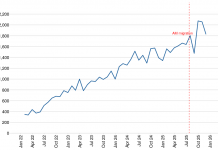


With its facilities designed to house approximately 1,500 individuals, the Fulton County Jail in Georgia currently grapples with an inmate population soaring to around 2,000. This 33% overcapacity has spurred a recent county commission vote approving a comprehensive strategy aimed at reducing the jail’s census by at least 1,000 inmates.
The Proposed Strategy: Diversion and Enhanced Electronic Tagging
The reduction plan, championed by County Chairman Robb Pitts, outlines a two-pronged approach. Firstly, it proposes establishing a new diversion center specifically for non-violent offenders, rerouting individuals from traditional incarceration pathways. Secondly, and particularly relevant to our analysis at ankle-monitor.org, the plan calls for a substantial increase in the utilization of electronic monitoring devices, specifically GPS ankle bracelets, for individuals in community supervision. Chairman Pitts asserts that the necessary funding for this initiative is already secured, removing the need for new taxpayer appropriations, and emphasizes the focus now shifts to implementation.
Jurisdictional Rifts and Program Efficacy Concerns
While the board passed the measure, its rollout exposed significant fissures within Fulton County’s criminal justice infrastructure. Several commissioners expressed being “blindsided” by the plan’s introduction, with one labeling it a “political stunt.” More critically, Fulton County Sheriff Patrick Labat stated that his office, directly responsible for jail operations and aspects of offender tracking, was not consulted prior to the plan’s public presentation. Sheriff Labat characterized this lack of engagement as “disingenuous,” highlighting a critical compliance gap in inter-agency coordination. He further alluded to past “ankle monitor problems,” suggesting previous issues with the county’s electronic monitoring program or its administration. These concerns underscore the importance of robust communication and shared operational protocols when expanding offender supervision technologies.
Navigating Implementation and Ensuring Program Integrity
The approved plan, with its reliance on expanding electronic monitoring, presents both opportunities and challenges for Fulton County. For the increased deployment of GPS ankle bracelets to effectively contribute to population reduction and enhance community supervision, several factors require immediate attention. Addressing Sheriff Labat’s concerns about prior program deficiencies is paramount; this likely necessitates a review of existing electronic tagging infrastructure, vendor contracts, monitoring protocols, and staff training. Moreover, establishing clear lines of communication and inter-agency agreements between the County Commission, the Sheriff’s Office, the judiciary, and any contracted electronic monitoring providers will be crucial. Without a unified approach to offender tracking and consistent application of judicial release criteria that incorporate electronic monitoring, the county risks replicating past inefficiencies rather than achieving its ambitious reduction targets. Successful implementation hinges not just on allocating funds but on robust policy, clear regulatory frameworks, and collaborative operational execution.
Source: Fulton County Jail overcrowding plan passes amid pushback from commissioners, sheriff