









WILKES-BARRE, PA — A Lehigh County woman has received a three-year probation sentence, with the initial year requiring house arrest and electronic monitoring, following her conviction for aggravated harassment by a prisoner. Kristen Bell, 38, of Slatington, appeared before Luzerne County Court of Common Pleas Judge Michael T. Vough, who handed down the penalty after Bell assaulted a Kingston police officer while in custody.
Incident Details and Charges
Court records outline the events that led to Bell’s sentencing. On November 10, 2024, Kingston police officers responded to a domestic disturbance at a residence on Market Street. During their investigation, officers discovered an active warrant for Bell’s arrest, issued by the Lehigh County Adult Probation Department. She was subsequently taken into custody. While being processed at Kingston police headquarters, Bell assaulted a police officer, reportedly kicking and spitting on the individual. This conduct resulted in the charge of aggravated harassment by a prisoner, a serious offense under Pennsylvania law that specifically addresses assaults on law enforcement or corrections personnel by individuals in custody.
Court-Mandated Supervision and Conditions
Judge Vough’s sentence establishes a strict period of community supervision for Bell. The first 12 months of her three-year probation term mandate house arrest, enforced through an electronic monitoring device. This GPS ankle bracelet, a common tool for offender tracking, will monitor Bell’s movements and ensure compliance with her court-ordered confinement to her residence. Beyond the electronic tagging, Bell faces additional conditions designed to promote accountability and rehabilitation. The court specifically ordered her to write a formal letter of apology to the assaulted Kingston police officer. Furthermore, Bell must secure full-time employment within two months of her sentencing, a common requirement aimed at fostering stability and reducing recidivism during a period of intense supervision.
Role of Electronic Monitoring in Probation
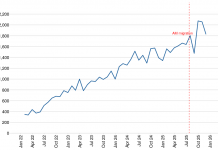
Kristen Bell’s case highlights the expanding role of electronic monitoring within the landscape of community supervision. For individuals like Bell, who face new charges while already under the watch of a probation department, electronic monitoring offers courts a structured alternative to immediate incarceration. Programs utilizing ankle monitors provide a consistent layer of oversight, allowing probation and parole agencies to track an offender’s location and ensure adherence to court-imposed conditions, such as house arrest or geographic restrictions. Data from the Bureau of Justice Statistics indicates a sustained increase in the use of electronic monitoring across the United States as a tool for managing offender populations in the community. This technology facilitates public safety by maintaining surveillance while allowing individuals to remain employed and connected to support systems, often reducing the financial burden on state correctional facilities.
Background and Context of Probation Warrants
The warrant from the Lehigh County Adult Probation Department, which led to Bell’s initial arrest, signifies her pre-existing involvement with the criminal justice system. Such warrants are typically issued when an individual on probation or parole fails to meet the conditions of their supervision, such as missing appointments, failing drug tests, or committing new offenses. For Bell, the discovery of this warrant during a domestic disturbance call escalated her interaction with Kingston police, directly leading to the assault charge. This context emphasizes the continuous nature of community supervision, where any deviation from court-ordered terms can trigger further legal action and potentially more restrictive measures like electronic monitoring.
Kristen Bell’s sentencing demonstrates the Pennsylvania court system’s approach to holding individuals accountable for serious offenses against law enforcement while utilizing advanced supervision technologies. The implementation of an electronic monitoring program aims to ensure compliance and promote public safety, reflecting the evolving strategies in modern criminal justice for managing offenders within the community.
Source: Woman sentenced to probation for spitting on police officer