
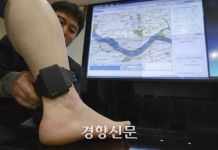








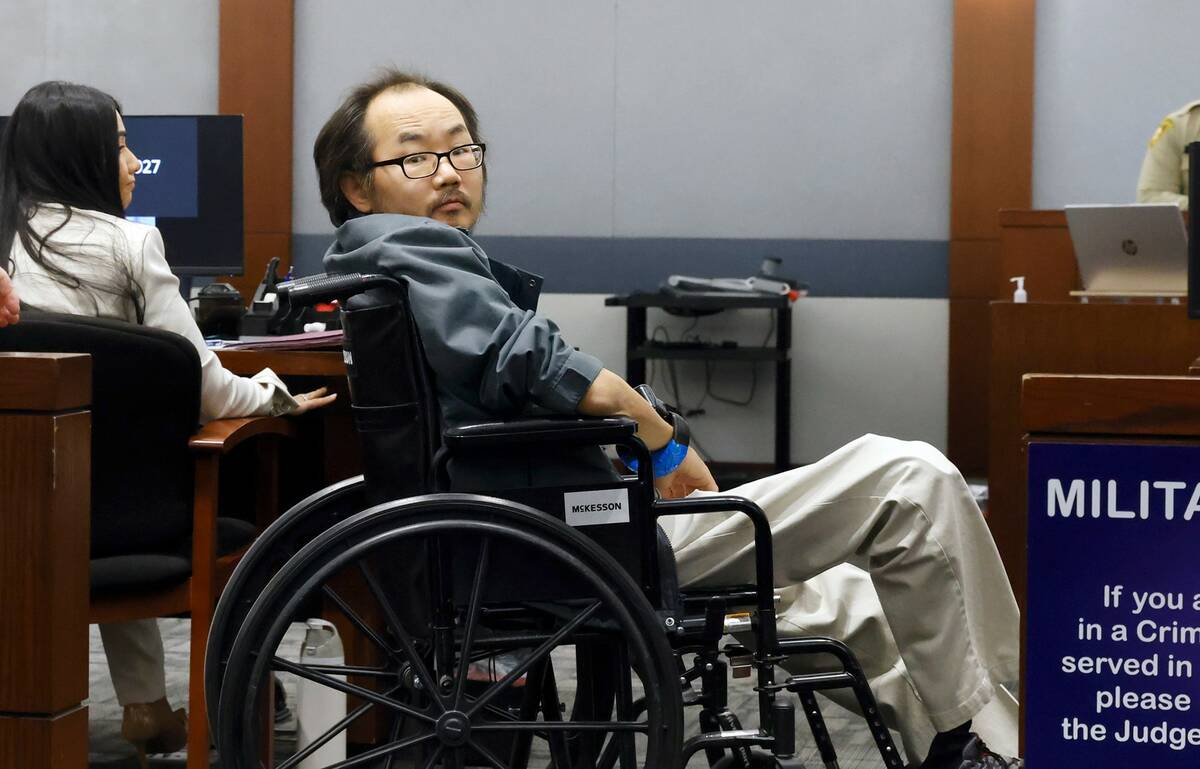
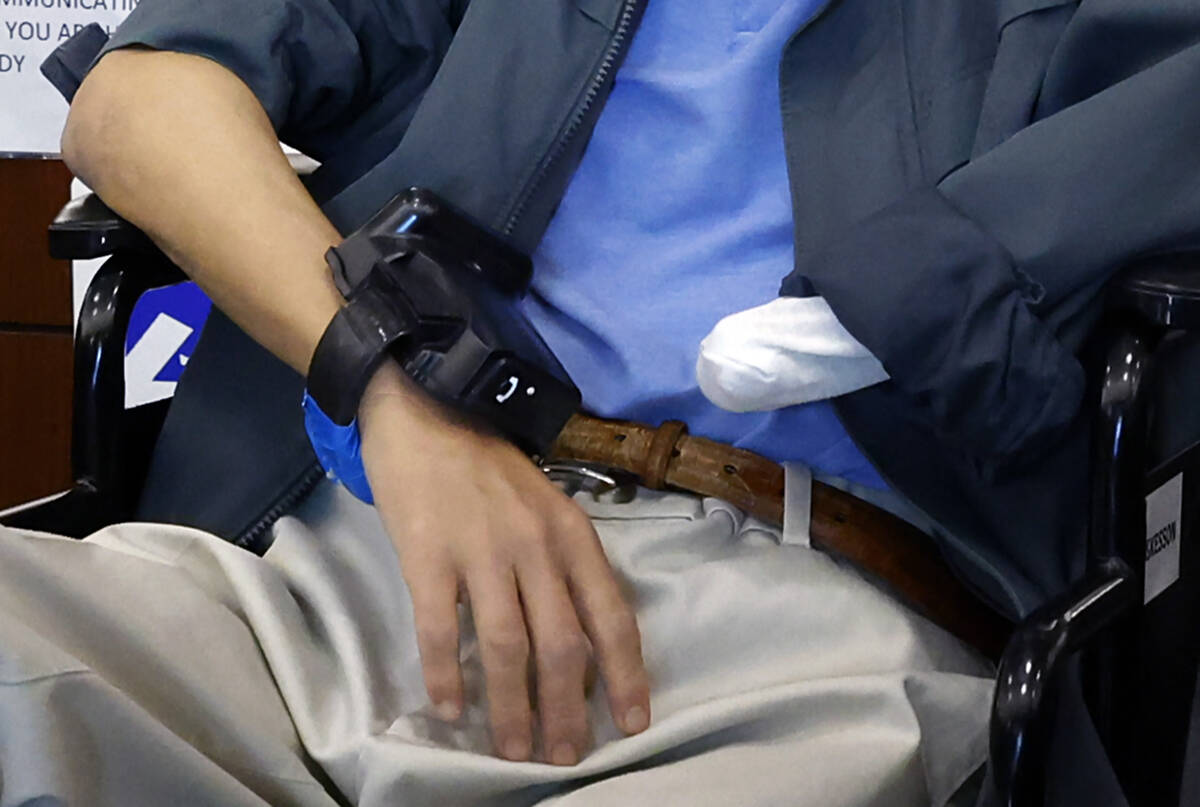
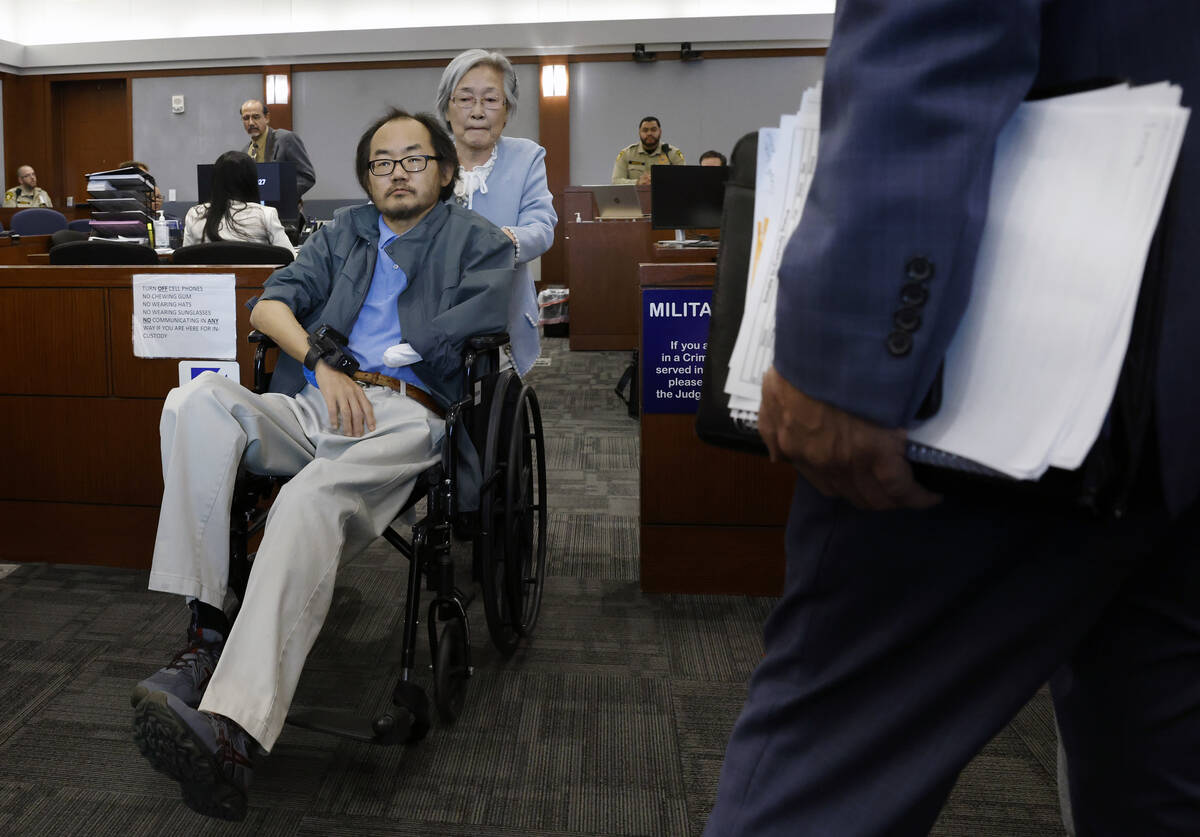
Steven Min, 51, appeared in a Las Vegas courtroom recently, his right wrist fitted with what appeared to be an electronic monitoring bracelet designed for an ankle. The appearance brought to light a contentious dispute between Min’s defense attorney and the Metropolitan Police Department regarding his release from jail onto house arrest and the practicality of standard electronic tagging for individuals with physical disabilities.
The Monitoring Mandate and Disability
Min’s attorney, Joseph Reiff, asserts that the Clark County Detention Center initially deemed Min ineligible for house arrest. Reiff claims the reason was Min’s “physical inability to wear a mandatory electronic ankle monitor.” Min’s left hand and legs were amputated years ago due to sepsis contracted while in city jail custody, and he uses prosthetic legs.
An email submitted to the court from Metro staff, dated March 3, reinforced this position. It stated, “Our program uses an ankle monitor for its GPS tracking. This is the only authorized and available equipment for Electronic Monitoring and GPS tracking. Unfortunately, Mr. Min does not have the capability for our Officers to apply our device.”
However, Michael Dickerson, an attorney representing the Metropolitan Police Department—which operates the detention center and the house arrest program—disputed that Min’s disability caused any delay. Dickerson told the court that issues stemmed from active warrants and confusion across Min’s multiple cases. He denied that “anything was delayed” for Min, who was ultimately released from jail the night before his court appearance.
A Wrist Monitor Controversy
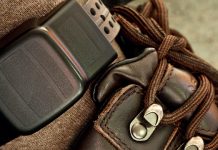
The placement of the electronic monitor on Min’s wrist rather than an ankle quickly became a point of contention. Defense attorney Reiff described the decision as “appalling” to Justice of the Peace Rebecca Saxe. Reiff argued that the device, designed for an ankle, offered significantly less security and presented a higher risk of injury when worn on a wrist. “He’s only got one limb, judge,” Reiff stated. “They’re going to make sure that he doesn’t have any. This is made for a person’s ankle and everybody knows a person’s legs are two or three times stronger.”
Dickerson dismissed Reiff’s concerns as “ridiculous.” He countered that there was “nothing inhumane” about placing the device on Min’s arm, equating it to wearing an everyday watch or bracelet. This debate highlights the challenges faced in offender tracking and community supervision when standard **electronic monitoring** protocols encounter unique physical circumstances.
Beyond the Bracelet: Min’s Broader Challenges
Min is a frequent presence in Las Vegas Justice Court, with at least 196 cases filed against him since 2008. The vast majority involve trespassing allegations, often stemming from casinos, and many have been dismissed or dropped. Approximately 98 percent of his prior cases are for misdemeanor offenses.
Beyond his legal entanglements, Min also faces severe medical challenges. He suffers from end-stage renal and kidney disease, requiring dialysis four times a week. According to Reiff, the detention center is only equipped to provide this treatment three times weekly. Min has been hospitalized twice since January. Dickerson disputed any denial of dialysis treatments. The Metro attorney acknowledged Min’s complex needs, suggesting that a now-disbanded “corridor court” program, which centralized cases under one judge, might have offered better oversight for someone like Min who “needs a single judge with all of his cases.” Min’s cases are currently before multiple judges.
Min’s situation emerges amid a larger dispute in Las Vegas, where the Metropolitan Police Department has reportedly refused to release other defendants onto court-ordered electronic monitoring programs. This case demonstrates the critical need for correctional systems to adapt **electronic monitoring** and **GPS ankle bracelet** programs to accommodate individuals with disabilities, ensuring humane and effective **offender tracking** without compromising justice or public safety.
Source: A frequent Las Vegas defendant doesn’t have ankles. Did that delay his release onto house arrest?