









Mr. A, in his 40s, is currently in police custody, facing murder charges in Namyangju, South Korea. His arrest on March 14, following the violent death of a woman in her 20s, has cast a somber light on the complex relationship between electronic monitoring technology and the prevention of serious crime. While his GPS ankle bracelet played a role in his swift apprehension, the incident raises profound questions for the field of community supervision regarding its preventative capabilities.
How We Got Here
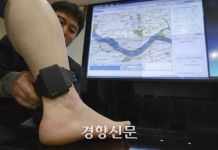
Mr. A was already under Ministry of Justice probation, a form of community supervision that included the mandate to wear an electronic ankle monitor. This electronic tagging device was intended to ensure compliance with his release conditions and provide a layer of oversight. On the morning of March 14, around 9:00 a.m., authorities received a distressing report: a woman had been attacked with a weapon near Onam Reservoir in Onam-eup, Namyangju. Despite immediate transport to a hospital, the victim succumbed to her injuries. The perpetrator, identified as Mr. A, had fled the scene, leaving behind a grim testament to the challenges of even tightly managed supervision programs.

What Changed
The immediate aftermath saw a rapid and coordinated response from the Gyeonggi Northern Provincial Police Agency. Knowing Mr. A was subject to electronic monitoring and equipped with a GPS ankle bracelet, officers leveraged a combination of technologies. They quickly moved to block potential escape routes and utilized available CCTV footage alongside the offender tracking data provided by his wrist monitor. This multi-faceted approach proved effective. Barely an hour after the initial report, Mr. A was apprehended in Yangpyeong County. The Namyangju Northern Police Station subsequently announced its intent to seek an arrest warrant for murder, a testament to the speed of the investigation and capture.

What Comes Next
As the police delve deeper into the relationship between Mr. A and the victim, and the precise circumstances leading to the attack, this incident demands careful consideration from the electronic monitoring community. While the GPS ankle bracelet proved critical in Mr. A’s rapid apprehension—preventing a potentially longer, more dangerous flight—it underscores a persistent challenge: how effectively can such technology prevent violence from occurring in the first place? This case, much like others we’ve examined, prompts a re-evaluation of current risk assessment protocols within community supervision programs. Is the current balance between surveillance and intervention adequate for high-risk individuals? What additional safeguards or proactive measures could be integrated into electronic monitoring systems to identify and mitigate threats before they escalate? The Namyangju tragedy serves as a poignant reminder that while electronic tagging is a powerful tool for offender tracking and accountability, its role in preventing grave harm requires ongoing critical analysis and innovation.