
The landscape of electronic monitoring (EM) is undergoing a significant shift, moving beyond mere offender compliance tracking to incorporate direct victim safety protocols. Alberta, Canada, exemplifies this evolution with its initiative to integrate real-time victim notifications into its existing GPS ankle bracelet program. This represents a critical architectural challenge: securely bridging the traditional EM backend with a dynamic, victim-facing application, demanding precise data synchronization and robust alert delivery.
Table of Contents
The Offender Tracking Core: Alberta’s GPS Ankle Bracelet Program
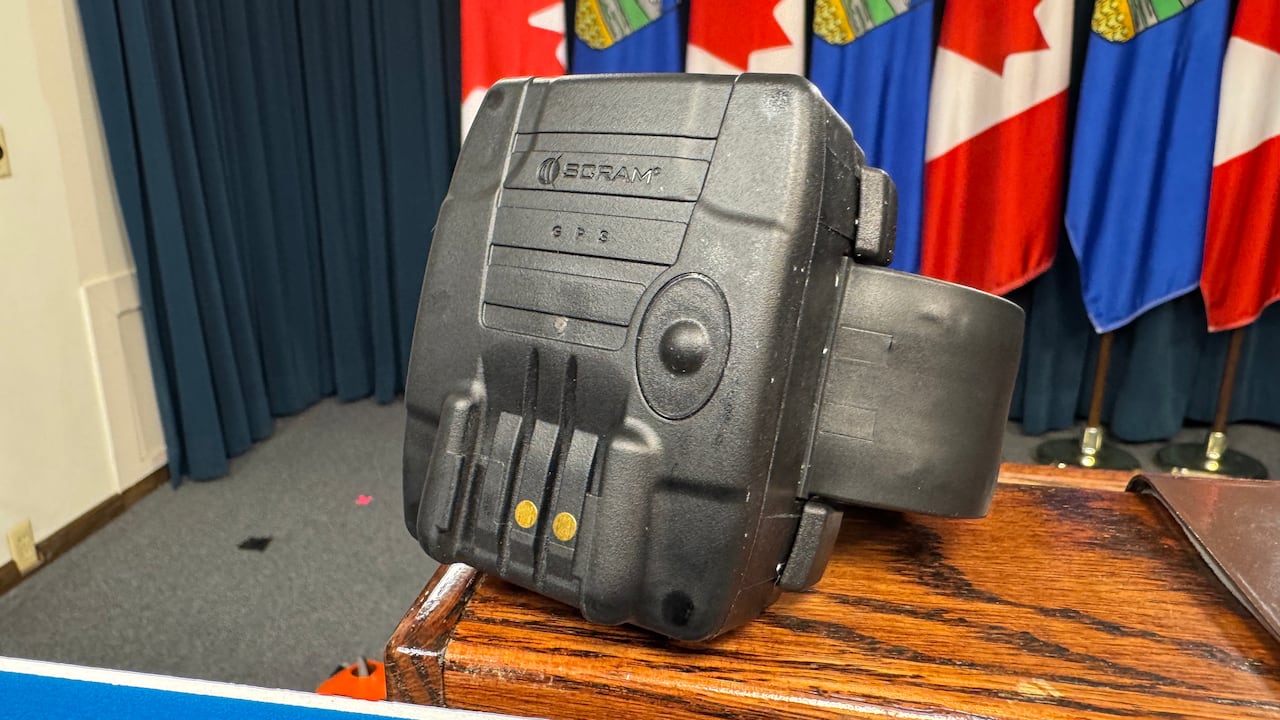
Alberta Correctional Services initiated its comprehensive electronic monitoring program for high-risk and repeat offenders in January 2025. Currently, approximately 300 individuals are actively monitored through these specialized ankle monitors. These devices are sophisticated hardware platforms leveraging Global Navigation Satellite System (GNSS) receivers to acquire continuous positional data 24/7. This telemetry is then transmitted via integrated cellular LTE modules to a central EM platform, enabling provincial authorities to track an individual’s movements and enforce court-ordered spatial restrictions.
The primary function of these GPS ankle bracelets is to establish and enforce geo-fencing protocols. Courts can mandate specific exclusion zones—such as a victim’s residence or workplace—which trigger alerts if an offender’s device breaches these predefined virtual perimeters. The system is designed to provide law enforcement with the intelligence needed to respond to violations, thereby upholding the terms of community supervision and mitigating risk. The $4.1 million allocation over three years in Budget 2026 not only supports the development of the victim notification app but also facilitates the expansion of this core ankle monitor program.
The Victim Notification Overlay: Real-Time Proximity Alerts
The forthcoming mobile application represents a substantial enhancement to Alberta’s electronic monitoring framework. Expected to launch later this year, this app will enable registered victims to receive real-time alerts if a monitored offender’s GPS ankle bracelet approaches within a specified dynamic distance of their own device’s location, or if the offender enters a court-mandated no-go zone designated for the victim’s protection. Public Safety and Emergency Services Minister Mike Ellis highlighted that these “precious seconds” could be critical for victims to seek safety or contact authorities.
Architecturally, this victim notification system requires a seamless, low-latency data pipeline. The EM platform, which continuously ingests GNSS data from offender ankle monitors, must securely relay relevant location data to a new notification engine. This engine then processes offender position against both static geo-fences (e.g., victim’s home address) and dynamic proximity calculations relative to the victim’s mobile device location. The notification itself is delivered via standard push notification protocols to the victim’s smartphone, necessitating a robust and reliable internet connection on both ends. This integration shifts a portion of the safety burden from victims, as noted by Kim Ruse, CEO of FearIsNotLove, which operates the Calgary Women’s Emergency Shelter, by proactively informing them of potential threats.

The Bigger Picture: Architectural Considerations and Human Factors
Implementing such an integrated system involves significant technical and ethical trade-offs. The “real-time” aspect is contingent on several factors: the update frequency of the GPS ankle bracelet, the latency of cellular data transmission, the processing time on the central EM platform, the secure API calls to the notification engine, and the push notification delivery speed to the victim’s device. Each step introduces potential delays, which must be minimized to ensure the promised “precious seconds” are truly delivered.
Accuracy and reliability are paramount. GNSS positional accuracy can vary due to environmental factors like urban canyons or dense foliage, potentially leading to false positives or missed alerts. The system’s design must account for these variables and incorporate algorithms to filter noise while maintaining sensitivity. Furthermore, the human factor, as articulated by Kim Ruse, underscores the critical need for balanced expectations; while empowering, the app must not cultivate a false sense of security. Alberta NDP Leader Naheed Nenshi also pointed out that while a positive step, this technological solution must be part of a broader, more holistic public safety strategy addressing the root causes of crime.
Alberta’s investment in this victim notification overlay marks an important evolution in electronic monitoring. It highlights a growing trend to leverage existing offender tracking infrastructure for more direct, proactive victim protection. The success of this system will hinge not only on its technical robustness—ensuring low latency, high accuracy, and secure data flow—but also on clear communication with victims about its capabilities and limitations, fostering genuine safety without creating undue reliance.
Source: App to give Alberta victims real-time warnings if perpetrator comes near them | CBC News
Related Resources: House Arrest Monitoring Guide | Parole Electronic Monitoring Guide | GPS Ankle Monitor Buyer’s Guide


![Electronic Tagging Statistics: Global Adoption Rates and Effectiveness Data [2026]](https://www.ankle-monitor.org/wp-content/uploads/2026/03/post_src_1774425808037-400x267.jpg)