For those of us who’ve spent years navigating the complexities of offender supervision, the balance between public safety and offender reintegration is a constant, often precarious, act. Particularly vexing is the challenge of truly safeguarding victims while managing high-risk individuals within the community. That’s why Alberta’s recent commitment to enhance its electronic monitoring program, specifically by adding real-time alerts for victims, warrants a closer look.
I’ve seen firsthand the toll that uncertainty takes on victims living with court-ordered conditions meant to protect them. The idea of immediate notification when an offender breaches those conditions — be it entering a restricted area or nearing their location — is a powerful concept aimed at addressing a very real fear. This isn’t merely an administrative upgrade; it’s a strategic move to provide a tangible layer of awareness and, hopefully, a greater sense of security.
Table of Contents
Elevating Victim Safety: Alberta’s Real-Time GPS Strategy
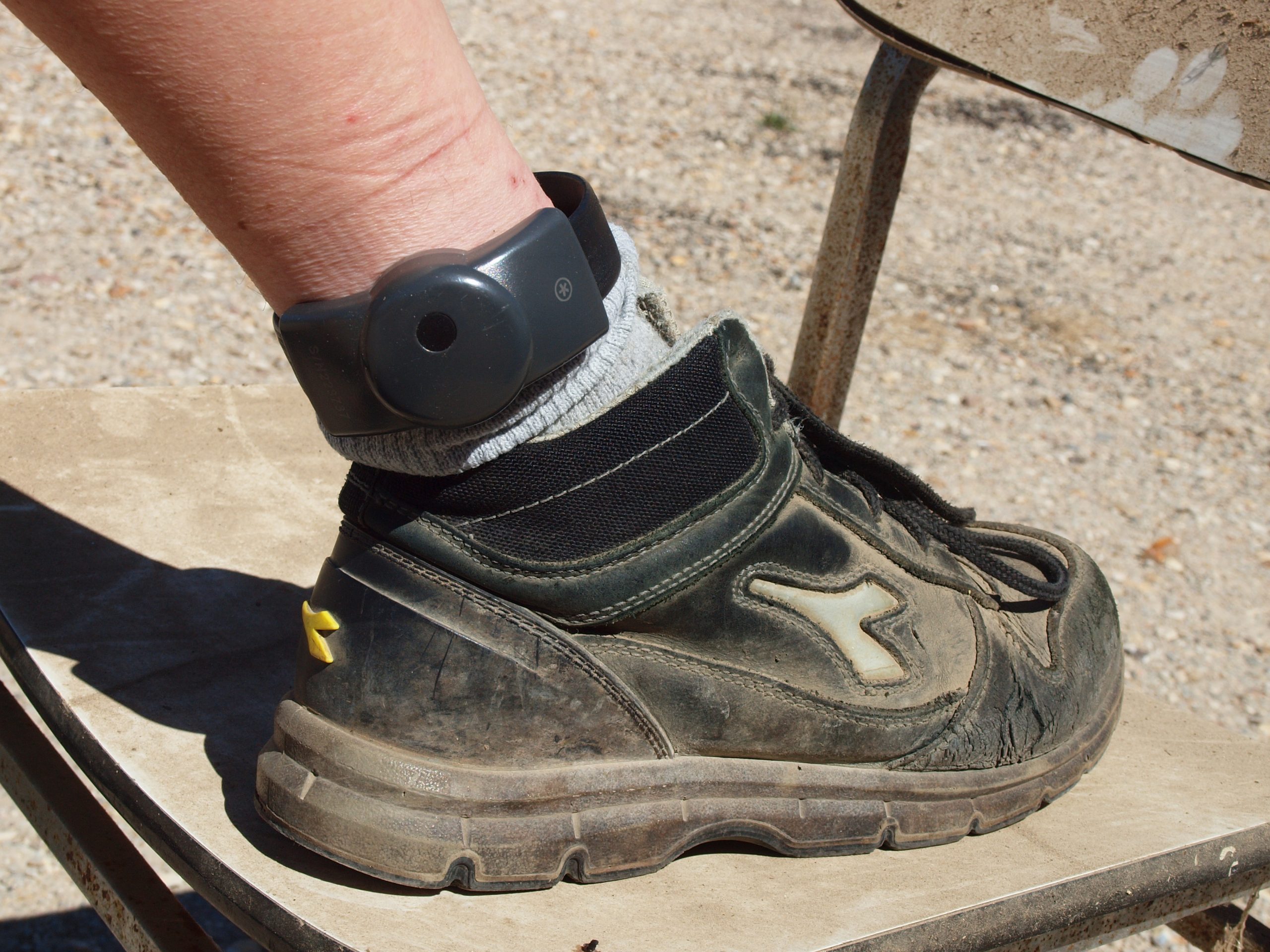
The province’s Budget 2026 allocates a notable $4.1 million over three years to this expansion. At its core, the program relies on GPS ankle bracelets, worn by offenders and continuously monitored by Alberta Correctional Services. This offender tracking technology allows for the enforcement of precise, court-ordered inclusion and exclusion zones. These zones are critical, often encompassing victims’ homes, workplaces, and other protected locations, establishing boundaries that, when crossed, trigger an alert.
What’s significant here isn’t just the use of electronic tagging itself – Alberta introduced its ankle bracelet monitoring program in 2024 and selected a technology provider later that year – but the integration of a direct, real-time alert system for victims. Premier Danielle Smith and Public Safety and Emergency Services Minister Mike Ellis have both framed this as a measure to enhance victim protection and ensure accountability. In my experience, while the technology provides capability, the operational reality of managing these alerts 24/7, including verifying breaches and coordinating responses, is where the rubber meets the road. It requires robust infrastructure and dedicated personnel, not just a flashy new feature.
The Promise and Pragmatism of Proactive Protection
The potential for increased peace of mind for victims cannot be overstated. Kim Ruse, CEO of FearIsNotLove Calgary, rightly points out the value these monitoring tools can offer victims of family violence. The Alberta Association of Chiefs of Police also supports the expansion, recognizing its role in strengthening community supervision.
However, from a practitioner’s perspective, while “real-time” alerts are a significant step forward, it’s important to acknowledge their practical limitations. An alert signals a breach *after* it has occurred. The critical factor then becomes the speed and effectiveness of the response. Is it enough to empower a victim to take evasive action, or merely to confirm a violation? This electronic monitoring system is, and must remain, one component of a broader, holistic strategy that includes traditional reporting requirements, community supports, and close coordination with law enforcement. It provides valuable information and deterrence, but it’s not a standalone shield.
Operationalizing Advanced Monitoring: Looking Ahead
This latest expansion signifies Alberta’s intent to continually refine its approach to offender tracking and victim safety. As correctional systems grapple with increasingly complex caseloads, the intelligent application of technology like the GPS ankle bracelet becomes even more vital. The evolution of this program, from its introduction in 2024 to this victim-centric enhancement, illustrates an ongoing effort to bridge the gap between policy goals and operational realities.
The true measure of this system’s success will lie in its consistent, reliable performance and the tangible impact it has on victim safety. It will require ongoing evaluation, adaptation, and a firm commitment to ensuring that the technology serves the human element of justice, rather than simply replacing it. The challenge, as always, is to leverage the power of technology while never forgetting the individuals—victims and offenders alike—at the heart of the system.
Source: Alberta targets repeat offenders with expanded GPS monitoring system
Related Resources: GPS Ankle Monitor Buyer’s Guide | Probation GPS Monitoring Guide | Parole Electronic Monitoring Guide
How Does GPS Ankle Monitor Technology Strengthen Victim Protection?
GPS ankle monitor proximity alert systems create real-time digital safety perimeters around domestic violence victims, triggering simultaneous notifications to the victim, supervising officer, and local law enforcement when the monitored offender approaches within a court-specified distance.
The effectiveness of GPS ankle bracelet monitoring in DV cases depends on positioning accuracy (sub-2-meter GPS for precise proximity calculations), communication reliability (multi-mode connectivity ensuring alerts transmit in poor cellular areas), and tamper detection integrity (zero false-alarm systems preventing response fatigue). Programs using advanced ankle monitor technology with dedicated victim notification report 50-70% reductions in repeat violations compared to standard protective orders without electronic monitoring.
Battery reliability is critical for DV monitoring — devices that die overnight create supervision gaps during the highest-risk hours. Next-generation electronic monitoring devices with 7-day LTE battery life and WiFi-directed mode extending to three weeks address this vulnerability. Fiber-optic tamper detection adds another layer of protection by maintaining tamper evidence for three months after battery depletion.