
Editor’s note: This industry analysis treats immigration ankle monitor enrolment as an operations and civil-liberties story, not a partisan talking point. Figures cited below (~24,000 GPS participants in June 2025 rising toward ~42,000 by February 2026) follow the trajectory described in agency disclosures and trade-press summaries; always reconcile with ICE Freedom of Information Act releases and congressional testimony. Nothing here is legal advice.
Lead: When alternatives to detention (ATD) programmes scale faster than monitoring-centre hiring curves, every immigration ankle monitor becomes a stress test for batteries, SIM provisioning, Spanish and indigenous-language call trees, and privacy optics. ICE-affiliated GPS cohorts near 42,000 units in February 2026—roughly double the ~24,000 level reported around June 2025—mean vendors must treat border states, heartland agricultural corridors, and coastal metros as a single mesh network problem. For readers of Ankle Monitor Industry Report, the question is whether electronic monitoring infrastructure can remain humane, auditable, and technically credible at that volume.
Civil-society critics and some European parliamentarians—echoed in Reuters reporting on UK immigration tagging described as degrading by advocates—warn that wearable tracking stigmatises migrants and substitutes crude surveillance for social services. Suppliers cannot resolve those normative debates, but they can publish transparency dashboards on alert adjudication, multilingual support hours, and strap false-positive rates so legislatures argue with data rather than adjectives.
Table of Contents
- From ~24,000 to ~42,000 GPS enrollees: what changed in nine months
- Technology requirements at national scale
- Privacy, dignity, and transatlantic narratives
- Operational bottlenecks: charging logistics, false alarms, and analyst staffing
- Vendor considerations for immigration-scale awards
- ATD is bigger than GPS: telephonic check-ins and smart applications
- Cellular economics and rural coverage stress tests
- Data retention, access, and downstream analytics
- Supply chain, refresh cycles, and battery fatigue
- Civil liberties framing after UK “degrading” coverage
- International comparators: UK tagging rows, Australian community detention, and U.S. scale effects
- What programme scientists should measure next
- FAQ
From ~24,000 to ~42,000 GPS enrollees: what changed in nine months
Agency leadership has framed ATD growth as a blend of policy emphasis on non-custodial options and contractor capacity expansion. For hardware teams, the salient fact is concurrency: tens of thousands of simultaneous GPS ankle monitor devices demanding daily location fixes, tamper supervision, and charging compliance. Unlike a county probation pilot, national immigration ankle monitor scale crosses time zones, carrier footprints, and rural dead zones where LTE drops to satellite backhaul or nothing at all.
Programme designers should expect journalists to multiply any single-point failure by 42,000: if one percent of straps generate ambiguous tamper events, that is hundreds of daily escalations—enough to swamp unprepared contact centres. Our earlier methodology discussion in ICE ankle monitor immigration ATD 42k expansion analysis walks through enrolment accounting quirks; pair that reading with live FOIA tables before quoting exact cohort splits.
Technology requirements at national scale

Multi-language support is not a call-centre luxury; it is a firmware and IVR prerequisite when defendants speak dozens of primary languages. Cellular coverage must be modelled per enrollee ZIP code, not national averages—cotton counties and mountain jurisdictions will miss pings that urban dashboards still show as “compliant.” Long battery life reduces charging violations, yet also delays face-to-face check-ins that officers use to verify identity. Tamper-resistant designs must be explained plainly in consent forms; otherwise civil-rights counsel frames every strap alarm as punitive trickery.
Across electronic monitoring literature, false tamper and missed-report alarms remain the silent cost driver. National immigration ankle monitor programmes should publish cohort-level histograms the way some states now publish probation GPS reliability reports—sunlight is cheaper than class-action discovery.
Privacy, dignity, and transatlantic narratives
European debates over immigration GPS tags frequently cite psychological strain, visible stigma, and uneven judicial review. When Reuters and allied outlets quote advocates calling UK tagging degrading, U.S. vendors should expect American NGOs to import the same rhetorical frame. That does not oblige ICE to adopt foreign standards, but it does mean RFP writers should document mental-health referral pathways, expedited device removal upon legal relief, and clear rules governing location data retention.
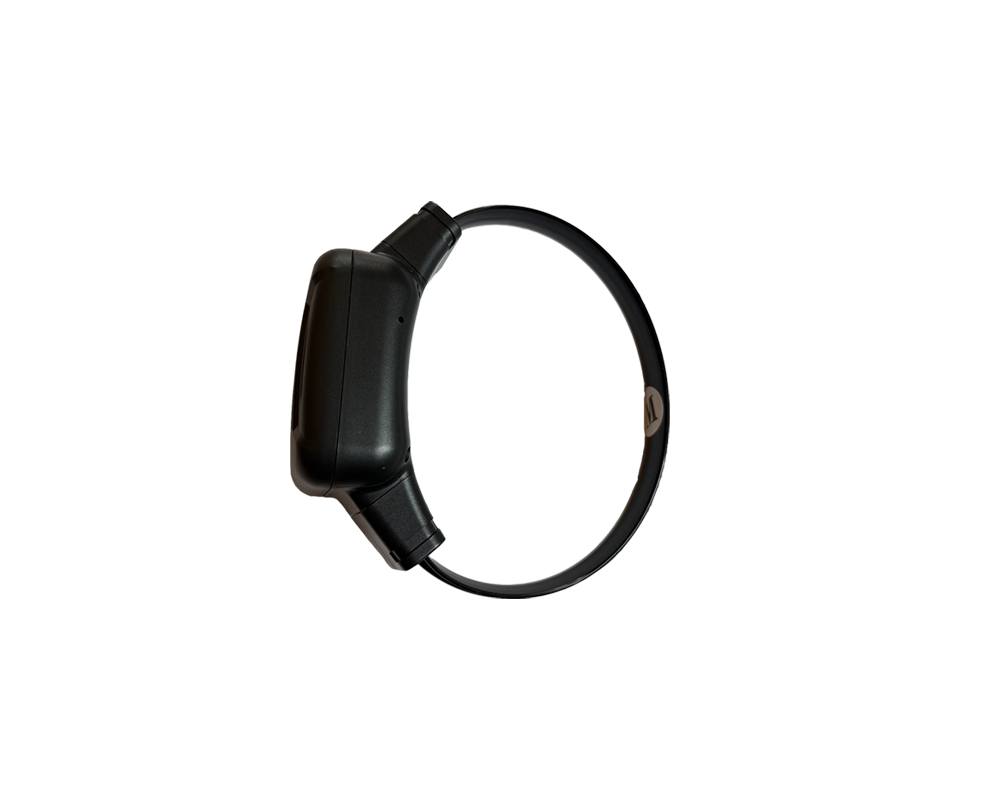
From a pure wearable-hardware engineering standpoint, dignity arguments intersect design choices: smaller one-piece housings, quieter alarms, and strap materials that minimise skin breakdown during multi-month wears all influence whether NGOs label a programme cruel or merely strict.
Operational bottlenecks: charging logistics, false alarms, and analyst staffing
Charging compliance sounds trivial until 42,000 enrollees share wall outlets in motels, relatives’ apartments, and rural trailers. Programmes need spare cradles, courier logistics, and explicit policies when power outages stack with hurricanes along the Gulf Coast. GPS ankle monitor analytics should distinguish dead battery from strap tamper—yet many legacy rules still treat both as equivalent violations.
False alarm storms also imperil legitimacy. If contact centres auto-escalate every ambiguous strap event to local police, sheriffs will revolt; if they suppress alerts to keep queues manageable, prosecutors will face electronic monitoring scepticism in bond hearings. The equilibrium is tiered adjudication backed by machine-learning assist—but only when vendors expose confusion matrices to auditors.
Vendor considerations for immigration-scale awards
Federal and contractor decision-makers typically evaluate incumbents such as BI Incorporated, SCRAM Systems, SuperCom, Geosatis, and newer entrants like REFINE Technology (CO-EYE) across price, spare-parts logistics, multilingual software, and API interoperability with case-management systems. High-volume immigration ankle monitor awards reward vendors who can stage 10,000-unit battery refreshes without disrupting enrollee reporting—not whoever promises the flashiest map tiles.
Neutral product architecture references for procurement workshops live at ankle-monitor.com.
ATD is bigger than GPS: telephonic check-ins and smart applications
Congressional briefings and contractor slide decks remind insiders that alternatives to detention enrollees are not exclusively on immigration ankle monitor hardware. Many participants remain on voice-verified call-in schedules or smartphone applications that geofence check-ins without a physical strap. When headlines shorthand “42,000 GPS units,” programme analysts must ask what denominator ICE used—GPS-only cohorts, all ATD participants, or projected device shipments. Misread denominators distort vendor revenue forecasts and NGO critiques alike.
That modality mix matters because civil-liberties advocates may compare a smartphone app’s soft geofence to a visible immigration ankle monitor and argue inconsistent dignity standards. Vendors should document ergonomics, audible alarm policies, and charging burdens side-by-side so oversight bodies evaluate comparable harms. Our March companion piece linked above dissects how enrolment statistics oscillate with policy memos; treat this article as the hardware-and-operations layer of the same story.
Cellular economics and rural coverage stress tests
At ~42,000 concurrent cellular GPS ankle monitor endpoints, carrier negotiations resemble enterprise IoT contracts more than county probation deals. Roaming between rural towers, prepaid SIM churn, and MVNO insolvencies can silently degrade location fix rates. Electronic monitoring contracts should mandate per-state carrier diversity reports and spare-modem swaps when sunset dates approach for legacy bands.
Field services teams also need culturally competent installers: explaining charging etiquette through an interpreter while a family watches is different from strapping an adult probationer in a courthouse basement. Poor installs raise immigration GPS bracelet false tamper rates, which then flood contact centres already stretched by language barriers.
Data retention, access, and downstream analytics
Immigration dockets generate politically sensitive location histories—places of worship, medical clinics, schools—that NGOs argue should never feed secondary analytics. Whether or not one agrees, electronic monitoring platforms increasingly offer machine-learning modules that flag “unusual movement patterns.” ICE and contractor procurement officers should publish whether those modules run on immigration ankle monitor feeds, how long raw tracks persist, and which agencies may subpoena archives after removal orders execute.
European regulators have pushed tagging vendors for data minimisation; U.S. federal programmes can borrow technical patterns—rolling geohash aggregation, automatic pixelation of sensitive POIs—even while legal frameworks differ. Transparency reduces the likelihood that a future leak becomes another Reuters-style international headline.
Supply chain, refresh cycles, and battery fatigue
Lithium cells age; straps fray; firmware certificates expire. A GPS ankle monitor fleet approaching 50,000 units needs industrial-scale reverse logistics: advance ship replacements, depot-level testing, and destruction protocols for e-waste containing IMEI data. Electronic monitoring RFPs that ignore refresh math discover, eighteen months in, that half the immigration ankle monitor population is on degraded batteries misclassified as compliance failures.
Vendors such as BI Incorporated, SCRAM Systems, SuperCom, Geosatis, and newer entrants like REFINE Technology (CO-EYE) compete partly on mean time between failures and mean time to replacement. Procurement scoring should weight those metrics alongside sticker price.
Civil liberties framing after UK “degrading” coverage
When Reuters and UK outlets amplify advocates who describe immigration tagging as degrading, U.S. programme managers should expect parallel lawsuits citing psychological harm, skin injuries, and employment discrimination. None of those claims are automatically true for every cohort, but immigration ankle monitor operators must keep dermatological incident logs, voluntary removal protocols after legal relief, and neutral-language consent forms. Pairing hardware with social-service referrals—not just pings—changes how judges and journalists narrate the same dataset.
From a neutral electronic monitoring research stance, the policy tension is familiar: governments want flight-risk reduction; migrants deserve proportionate burdens. Hardware improvements (smaller housings, quieter buzzers, better straps) narrow but do not erase that tension.
International comparators: UK tagging rows, Australian community detention, and U.S. scale effects
The United Kingdom’s expansion of immigration GPS ankle monitor and RFID-style tags—amplified when Reuters and domestic outlets quote advocates calling the practice degrading—shows how dignity narratives travel faster than throughput statistics. British pilot evaluations already signalled that tagging alone does not automatically improve compliance metrics; the U.S. immigration ankle monitor surge should internalise that lesson before Congress equates device counts with deterrence.
Australia’s community detention and reporting obligations use a different modality mix, yet still depend on contractor-run contact centres and mobile check-ins that rhyme with ICE’s ATD stack. The takeaway for U.S. readers is procedural: multilingual scripts, dermatological response protocols, and rapid device removal after grants of relief are transferable best practices even when statutes differ.
At American scale, a GPS ankle monitor cohort above forty thousand behaves like critical infrastructure. A carrier outage that would be a footnote in a 2,000-person county pilot becomes national news when thousands of enrollees simultaneously drop off the map. Electronic monitoring command centres therefore need geo-redundant uplinks and public-status pages modelled on cloud providers—not ad hoc email blasts hours after the fact.
Finally, cross-border data flows matter: if U.S. agencies share location histories with foreign partners under information-sharing agreements, ATD GPS metadata may implicate privacy regimes beyond the Fourth Amendment debate. Vendor SOC-2 reports and data-residency options increasingly appear in RFP attachments for that reason.
What programme scientists should measure next
Researchers studying ICE ATD GPS bracelet expansion should publish disaggregated outcomes—appearance rates, technical violation rates, removal-to-charging ratios—rather than blending GPS cohorts with telephonic enrollees. Without disaggregation, policymakers cannot tell whether electronic monitoring investments outperform cheaper check-in models.
Independent evaluation teams should also stress-test GPS ankle monitor hardware under migrant travel patterns (seasonal agricultural work, multi-state family visits) that differ from typical urban probation arcs. Findings would give ICE, NGOs, and vendors a shared evidence base the next time enrolment numbers double again.
FAQ
Did ICE publicly confirm the 42,000 figure? Trade and policy reporting cite agency statistics; always cross-check the latest congressional budget annexes and FOIA releases because ATD enrolment mixes GPS, telephonic, and smart-check-in modalities.
Does scaling ATD reduce detention costs? Often partially, but monitoring-centre opex can erase savings if alert volumes explode; build sensitivity models before celebrating per-diems.
Are immigration ankle monitors the same as criminal probation GPS? Hardware families overlap, but consent narratives, data retention rules, and removal timelines differ materially.
What breaks first at 40k+ scale? Typically analyst staffing and charging logistics, not satellite geometry.
How should NGOs engage vendors? Demand published false-tamper methodology and retention schedules; moral arguments land better with evidentiary hooks.