Baltimore, MD — A 16-year-old suspected in a series of commercial burglaries and vehicle thefts was released from custody wearing an ankle monitor in November 2025. This decision coincided with a public town hall where city leaders and residents grappled with the escalating problem of juvenile crime, drawing a sharp contrast between individual case management and broader policy discussions.
Table of Contents
The Individual Case: Ankle Monitors and Repeat Offenses
Baltimore police apprehended the 16-year-old in connection with four commercial burglaries, including a break-in at A&B Auto Body in southeast Baltimore. Investigations linked the suspect to stolen vehicles and property, according to police reports. The incidents occurred throughout November 2025.
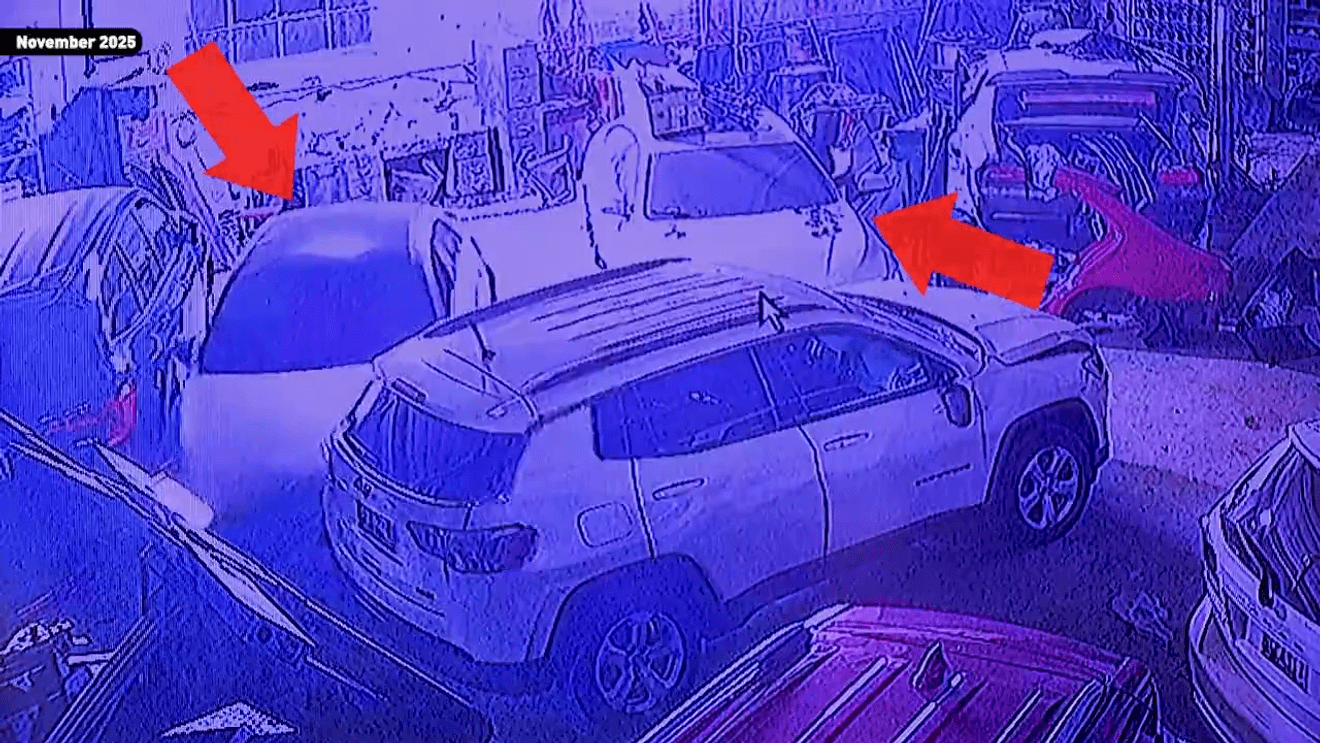
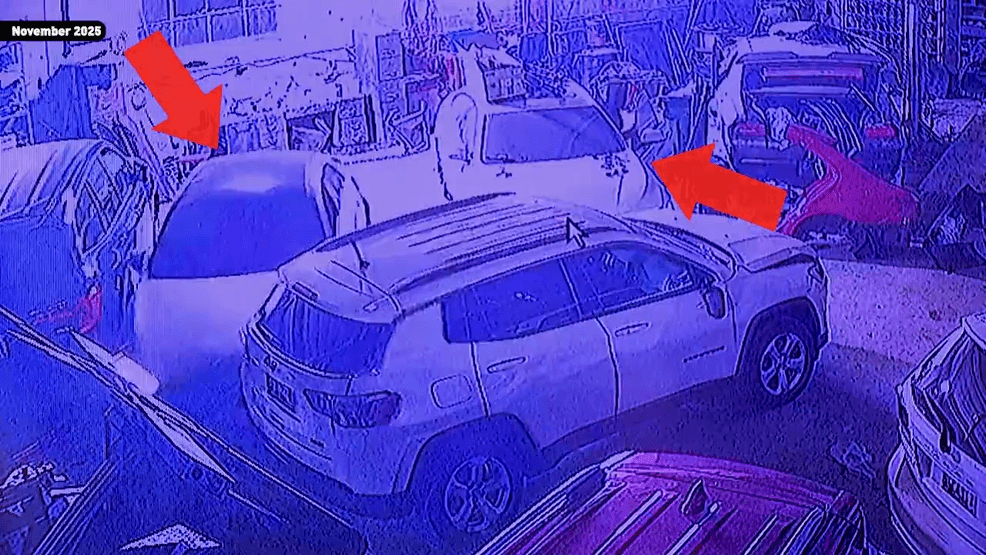
Sam Faroze, owner of A&B Auto Body, recounted reviewing surveillance footage after a crash into his garage door. The video, he stated, showed individuals attempting to locate vehicle keys inside the shop. Faroze estimated a “80, 90%” certainty that the suspects were juveniles, based on their “body size” and overheard conversations. He reported damages amounting to “hundreds of thousands of dollars” from the break-in.
Following his arrest, police confirmed the 16-year-old was released from custody under electronic monitoring, utilizing a GPS ankle bracelet. This form of offender tracking is a common tool in community supervision, allowing authorities to monitor an individual’s movements without pre-trial detention. Police further noted that the same teen had a prior arrest for auto theft predating the November burglaries. Faroze voiced frustration, stating, “No other state or city you will see kids, teenagers, juveniles breaking into big businesses or even doing stuff like this.”
The Broader Response: Community Supervision Under Scrutiny
The arrest and subsequent release of the juvenile on an electronic tagging device occurred on the same day Baltimore City State’s Attorney Ivan Bates and Department of Juvenile Services (DJS) Secretary Betsy Fox Tolentino hosted a town hall. The meeting convened to address widespread concerns regarding juvenile crime and the effectiveness of current intervention strategies.
During the town hall, community members expressed deep frustration. One resident directly linked youth actions to a lack of oversight, asserting, “The children are acting out because they’re not supervised, and the supervision starts in the home.” Another attendee emphasized collective responsibility, stating, “Everyone that’s here tonight has the power…to change Baltimore kids and crime.”
Secretary Tolentino acknowledged the ongoing challenges. “Is the work done? Absolutely not,” she stated. “Not until all of the community feels safe and we see a reduction in victimization.” She affirmed the need to “continue to move our progress forward, so that we are pushing that perception back and that we’re seeing real outcomes for our community.” Yet, another resident voiced fatigue with the perceived lack of progress, telling officials, “I know remarkable progress has been made, but I think we’re all really getting tired of the finger pointing amongst yourselves.”

The Bigger Picture: Balancing Accountability and Supervision
The incident involving the 16-year-old, released on an ankle monitor after multiple serious allegations and a prior record, underscores the complex challenges facing Baltimore’s juvenile justice system. While electronic monitoring, or the ankle monitor, offers a means of community supervision, its efficacy is often questioned when repeat offenses occur or when the public perceives a lack of immediate accountability.
The parallel town hall discussions reveal a community demanding more robust solutions than what current offender tracking methods alone appear to provide. Residents and officials alike are navigating the tension between implementing effective electronic monitoring programs and addressing underlying issues such as family supervision, systemic support, and consequences for criminal behavior. The events of November 2025 highlight a critical juncture for Baltimore as it seeks to refine its approach to juvenile crime and the role of technologies like the GPS ankle bracelet in that effort.
Source: Teen released on ankle monitor as Baltimore City leaders hold juvenile crime town hall
Related Resources: Parole Electronic Monitoring Guide | GPS Ankle Monitor Buyer’s Guide | House Arrest Monitoring Guide
How Is GPS Ankle Monitor Data Used in Criminal Proceedings?
GPS ankle monitor data serves as evidence in violation hearings, criminal investigations (alibi corroboration/refutation), and sentence modification requests. Courts accept GPS ankle bracelet location data under business records exceptions when providers demonstrate system accuracy and chain-of-custody integrity.
Evidence quality depends on positioning accuracy (sub-2-meter reduces zone violation ambiguity), tamper-evident storage (prevents data manipulation claims), and anti-spoofing validation (confirms location authenticity). For pretrial programs expanding as bail alternatives, ankle monitor compliance summaries — appearance rates, geofence adherence, curfew compliance — directly influence judicial decisions on continued release vs. detention.
The growing use of electronic monitoring data in court reflects broader criminal justice trends toward evidence-based supervision. Agencies using GPS ankle monitors that produce reliable, court-ready data — with zero false tamper alarms and sub-2-meter accuracy — find their violation proceedings are more efficient and outcomes more defensible on appeal.