Edmonton, Alberta — The province of Alberta is committing C$4.1 million over three years to expand its electronic monitoring program, a move designed to fortify the supervision of repeat offenders and significantly improve public safety. This enhancement primarily focuses on integrating real-time alert capabilities for victims, providing immediate notifications if an offender violates court-ordered conditions, enters restricted areas, or approaches a victim’s designated safe zone.
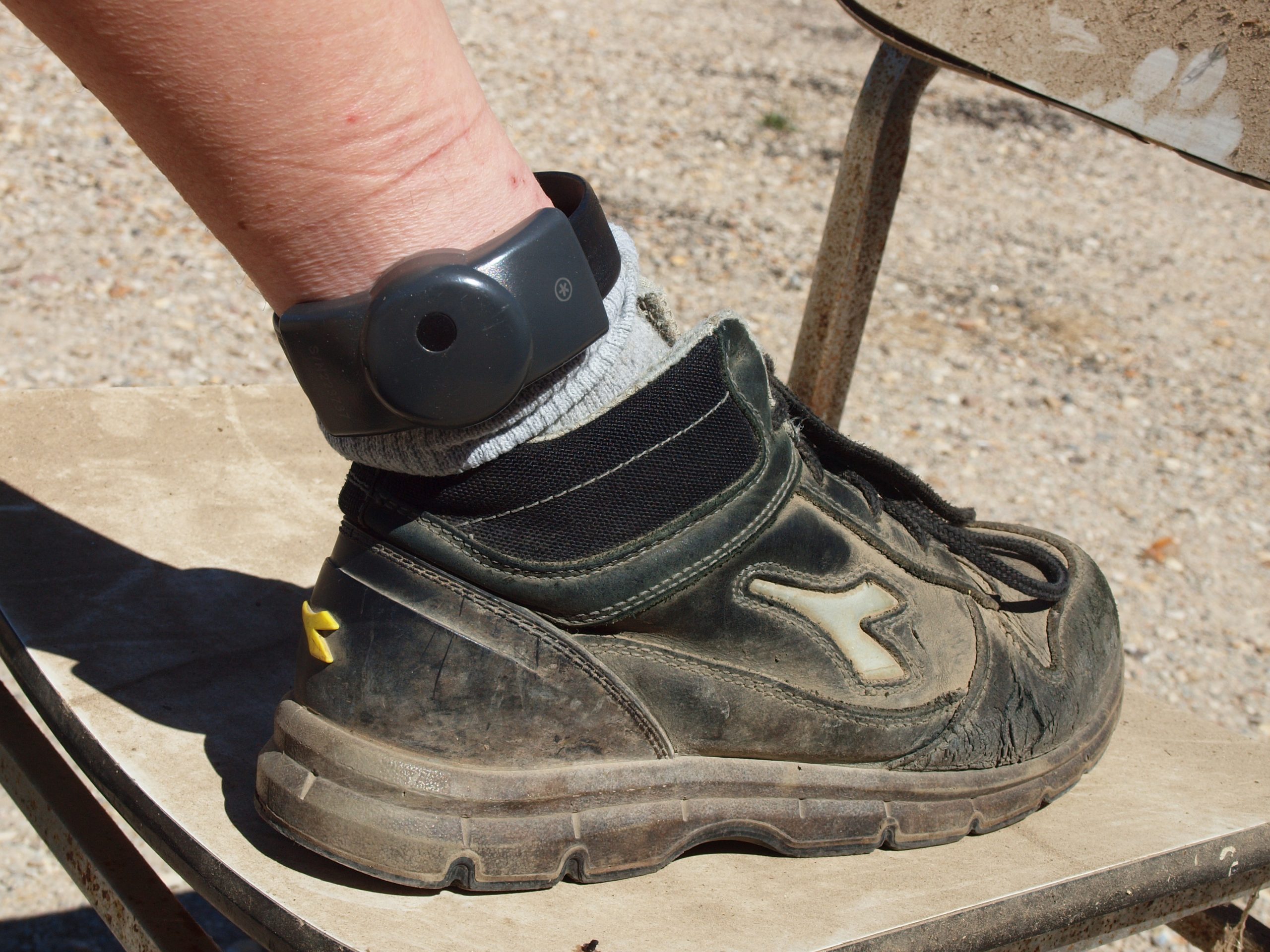
Offenders enrolled in this program are mandated to wear GPS ankle bracelets, facilitating continuous, 24/7 offender tracking by Alberta Correctional Services. This system rigorously enforces court-ordered inclusion and exclusion zones, which typically include restrictions on proximity to victims’ homes, workplaces, and other protected locations. From an operational standpoint, this technology promises a layer of immediate response that traditional methods often lack, moving beyond retrospective violation detection to proactive intervention.
Table of Contents
Operationalizing Victim Safety Through Electronic Monitoring
Premier Danielle Smith emphasized that these changes aim to empower victims with crucial information and protection. “Real-time alerts will arm victims with the data they need to maintain their safety,” Smith stated, “while simultaneously holding offenders accountable for their conditions around the clock.” This sentiment was echoed by Public Safety and Emergency Services Minister Mike Ellis, who noted the expansion builds on ongoing efforts to enhance oversight of high-risk individuals and prevent further harm.
Having overseen community supervision programs for years, I’ve seen firsthand how crucial actionable intelligence is. The promise of real-time alerts through an advanced GPS ankle bracelet system can be a game-changer for victim confidence. It transforms a passive monitoring tool into an active warning system, potentially bridging critical gaps in protective orders. However, the efficacy hinges on the robustness of the technology and the swiftness of the human response to these alerts. A notification is only as good as the action it triggers.
The electronic monitoring program is not a standalone solution; it operates in conjunction with other established supervision measures. These include regular reporting requirements, access to community supports, and close coordination with law enforcement agencies. Courts also have the discretion to consider the use of electronic tagging when establishing bail or sentencing conditions.
Stakeholder Support and Program Evolution
The announcement has garnered broad support from victim advocacy groups and law enforcement. Kim Ruse, CEO of FearIsNotLove Calgary, highlighted how such monitoring tools can provide victims of family violence with a greater sense of security, helping them focus on recovery. “Knowing there’s an immediate alert system in place can offer invaluable peace of mind,” Ruse explained.
Similarly, the Alberta Association of Chiefs of Police voiced its support for the expansion, recognizing it as a vital stride in strengthening offender supervision and enhancing overall public safety. Their endorsement underscores the police perspective that effective electronic monitoring, particularly with real-time victim alerts, can significantly augment traditional policing efforts in managing high-risk individuals.
Alberta initially rolled out its ankle bracelet monitoring program in 2024, selecting a technology provider later that same year. This latest expansion, as officials articulate, is specifically designed to improve enforcement mechanisms and place a sharper focus on victim safety within the broader justice system. It represents an evolution from basic offender tracking to a more sophisticated model that directly integrates victim protection into the monitoring framework.
This investment marks a significant step in how Alberta approaches community supervision for repeat offenders. By leveraging advanced electronic monitoring technology, particularly GPS ankle bracelets with real-time victim alerts, the province is aiming to enhance both accountability and safety. The success of this initiative will be measured not just in technological uptime, but in its tangible impact on victim protection and the reduction of reoffending.
Source: Alberta targets repeat offenders with expanded GPS monitoring system
Related Resources: Electronic Monitoring for Bail & Pretrial | GPS Monitoring for Domestic Violence Cases | House Arrest Monitoring Guide
What Technology Advances Are Driving Electronic Monitoring Program Expansion?
Three technology shifts are accelerating electronic monitoring adoption: adaptive multi-mode connectivity (BLE/WiFi/LTE auto-switching extending GPS ankle monitor battery from days to months), fiber-optic tamper detection (eliminating 15-30% false-alarm rates), and AI-driven alert management reducing officer alert fatigue by 60-80%.
The GPS ankle bracelet market is transitioning from Generation 3 (cellular-only, 24-72h battery) to Generation 4 (multi-mode adaptive connectivity, 7-day to 180-day battery, zero false-alarm tamper detection). This addresses the three operational barriers that limited program scaling: daily charging logistics consuming officer time, cellular dead zones creating supervision gaps, and false alert overload preventing effective caseload management.
For agencies planning electronic monitoring investments, vendor technology roadmaps matter as much as current specifications. 5G network compatibility (LTE-M/NB-IoT), smartphone monitoring integration, and cybersecurity certification (EN 18031) will define competitive positioning through 2030. Programs locked into legacy ankle monitor equipment face forced replacement as cellular carriers complete 3G shutdowns.
How Do International Programs Inform Global Electronic Monitoring Best Practices?
Electronic monitoring programs across 30+ countries provide diverse implementation models that inform technology requirements, supervision standards, and policy frameworks — creating a knowledge base that benefits procurement teams evaluating GPS ankle monitor systems for any jurisdiction.
The variation in international approaches reveals how different legal frameworks shape GPS ankle bracelet technology requirements. European programs operating under GDPR mandate strict data minimization and purpose limitation controls built into monitoring platforms. Asian programs — particularly South Korea’s comprehensive sex offender tracking system — demonstrate the technical requirements for lifetime monitoring with victim-facing notification capabilities. Latin American deployments show how electronic monitoring can scale rapidly as an alternative to chronically overcrowded prison systems.
For GPS ankle monitor manufacturers, this global diversity drives technology innovation: devices must support multiple cellular standards (LTE-M/NB-IoT across different carrier ecosystems), multilingual monitoring platforms, configurable data retention policies, and varying levels of enrollee-facing features. Vendors with proven deployments across 30+ countries demonstrate the manufacturing maturity, supply chain reliability, and technical adaptability that single-market providers cannot match.
The international electronic monitoring landscape consistently validates three technology priorities regardless of jurisdiction: extended battery life reduces operational burden, reliable tamper detection maintains program credibility, and multi-mode connectivity ensures supervision continuity across diverse geographic and infrastructure conditions.