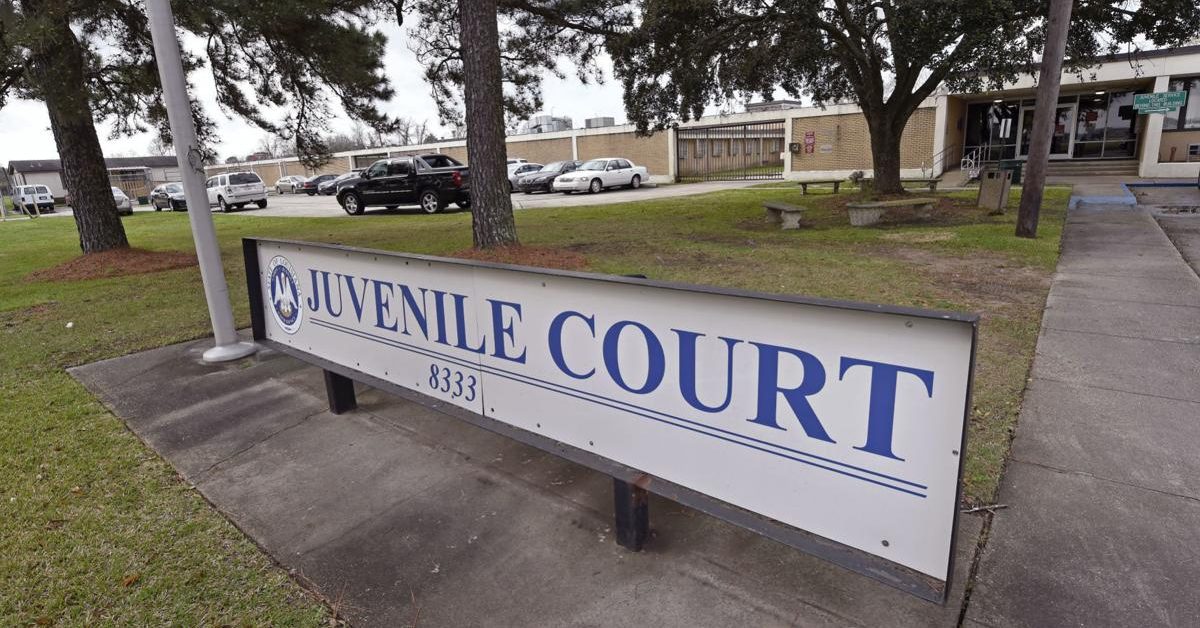
Louisiana state lawmakers have approved a measure extending how long juveniles can be held in pretrial detention, despite initial strong opposition from defense attorneys. House Bill 140, authored by State Representative Vincent Cox (R-Gretna), passed the House of Representatives on Monday after significant amendments softened its original provisions. The bill received a 68-27 vote, primarily with Democratic opposition, and now moves to the Senate for further consideration.
Table of Contents
Revised Detention Limits and Procedural Shifts
Under the amended HB140, youth accused of violent crimes could face up to 90 days in pretrial custody, an increase from the current 60-day limit. Those accused of nonviolent offenses could be held for 45 days, up from 30 days. This legislative change effectively increases the time courts have to resolve juvenile cases by 150%, rather than the original proposal to double or triple those adjudication timelines.
Representative Cox also removed a controversial clause that would have automatically suspended the adjudication clock each time the defense filed a pretrial motion. However, the bill introduces new procedural requirements: prosecutors would be guaranteed extension hearings after initial timelines expire, and defense attorneys would now be required to file written motions for dismissal, a departure from the current practice of oral requests. The legislation also creates new grounds for pausing the adjudication timeline, including when a defendant leaves home to avoid “detection,” misses a scheduled court hearing, or “lacks the mental capacity” to be tried.
Arguments for and Against Extended Custody
Proponents, including Representative Cox and various prosecutors, argue these extensions are necessary to accommodate the increasing complexity of modern evidence. They cite advancements in `criminal justice technology`, such as sophisticated DNA analysis and extensive video footage, as factors requiring district attorneys more time to review material. Prosecutors also contended the bill offers them safeguards against defense attorneys who might agree to time extensions but later withdraw their consent.
Conversely, opponents, including juvenile detention officials and defense attorneys, initially raised alarms. They expressed concerns that longer periods of `pretrial detention` could cause youth to “languish” in custody, detrimental to their rehabilitation prospects and delaying access to critical services. They also warned that the expanded timelines could exacerbate overcrowding in juvenile facilities. The Louisiana Association of Criminal Defense Lawyers, which actively lobbied against the original bill, confirmed they have taken a neutral stance following the amendments, acknowledging that prosecutors typically secure time extensions from judges when necessary under the existing system.
Broader Implications for Juvenile Justice Administration
Beyond detention periods, HB140 also addresses the timeline for filing charges. The bill would extend the period prosecutors have to file charges against juveniles after an arrest from the current 48 hours to five days. While timelines in the juvenile justice system are typically shorter than those in the adult system, where cases can take years to resolve, Louisiana law does permit juveniles accused of the most serious crimes to be prosecuted as adults, subjecting them to adult-length judicial processes. This legislative push reflects a continuing debate over `bail reform` and how best to balance public safety concerns with the developmental needs and constitutional rights of young defendants within `community corrections` frameworks. The potential for prolonged detention could place additional strain on resources and refocus attention on alternatives like enhanced `community supervision` to support `recidivism reduction` efforts for youth awaiting adjudication.
Source: Louisiana bill to keep youth in jail longer softened after outcry from defense attorneys
Related Resources: Probation GPS Monitoring Guide | Electronic Monitoring for Bail & Pretrial | GPS Ankle Monitor Buyer’s Guide