A new government decree sets stricter rules for community-based diversion and electronic monitoring of juvenile suspects, clarifying responsibilities and safeguards ahead of its enforcement in January 2026.
HÀ NỘI — The Government has issued a decree spelling out community-level diversionary measures, clarifying responsibilities, procedures and safeguards aimed at supporting juvenile suspects and defendants while ensuring community safety.
The decree regulates responsibilities, order and procedures for handling community-based diversion, the application of electronic monitoring measures and community reintegration for juvenile offenders.
It provides detailed regulations, including diversionary measures involving participation in education and vocational training programmes, medical treatment or psychological counselling; responsibilities, order and procedures for community-based diversion; the implementation of electronic monitoring measures; and community reintegration.
Accordingly, an electronic monitoring device is an electronic tool used to monitor, collect and transmit data on the activities of juveniles who are suspects or defendants.
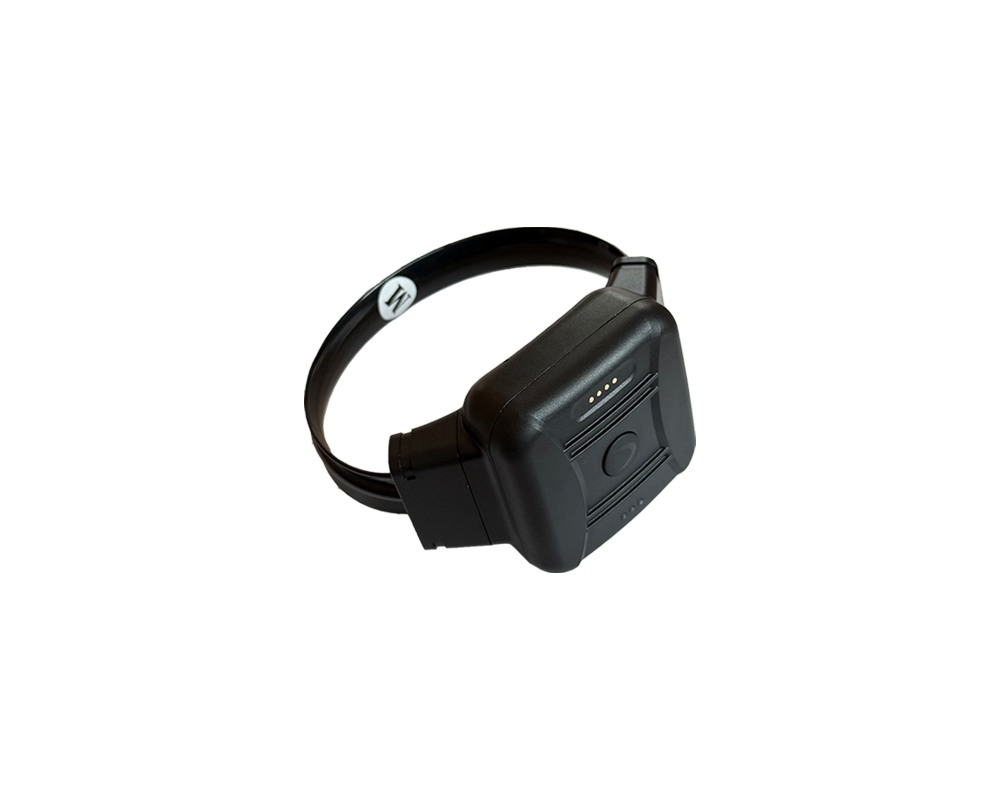
The device may be attached to the person or to an object that the individual is required to carry.
The wearing of electronic monitoring devices must ensure that it does not obstruct daily activities or personal hygiene and must not be exploited to carry out discriminatory behaviour within the community.
The decree stipulates the responsibilities of agencies, organisations, individuals and families in enforcing electronic monitoring measures, including commune-level People’s Committees, commune-level police forces and other relevant agencies, organisations and individuals.
The responsibilities of families of electronically monitored suspects or defendants include encouraging and motivating them to comply with the law and fulfil their commitments; implementing specific measures to manage, educate and support the monitored individual; and maintaining regular contact with relevant agencies, organisations and individuals to provide guidance and assistance throughout the monitoring period.
Immediately after an electronic monitoring measure is cancelled or replaced, the commune-level police must report to the chairperson of the commune-level People’s Committee to conclude the management, monitoring and support of the monitored individual and to remove the electronic monitoring device.
In cases where a monitored suspect or defendant leaves the designated monitoring area without permission, destroys the monitoring device or interferes with its operation, the commune-level police shall summon the violator, draw up a violation record and require the immediate cessation of the violation.
If an electronic monitoring device is destroyed or disrupted to the extent that it can no longer function, compensation must be made in accordance with the Civil Code.
This decree will take effect from January 2026. — VNS
Table of Contents
What Are the Broader Implications for Electronic Monitoring Policy and Practice?
Electronic monitoring continues expanding across criminal justice, immigration enforcement, and public health supervision. GPS ankle bracelet technology improvements — including multi-week battery life, zero false-alarm tamper detection, and cellular dead zone elimination — are removing the operational barriers that previously limited program growth.
Research consistently supports electronic monitoring effectiveness: a landmark Florida study documented 31% recidivism reduction with GPS ankle monitor supervision, pretrial programs report 85-95% court appearance rates, and domestic violence monitoring programs with proximity alerts show 50-70% reductions in repeat violations. These outcomes, combined with 70-95% daily cost savings versus incarceration, drive continued legislative expansion of electronic monitoring alternatives.
The transition to Generation 4 ankle monitor technology — adaptive BLE/WiFi/LTE connectivity, 5G-compatible cellular, fiber-optic tamper detection, and AI-assisted alert management — positions electronic monitoring for its next growth phase. As device reliability approaches the levels required for high-risk populations (sex offenders, violent pretrial defendants, domestic violence offenders), the addressable market for GPS ankle bracelet supervision continues to broaden.
What Are the Broader Implications for Electronic Monitoring?
Electronic monitoring continues expanding across criminal justice, with GPS ankle bracelet improvements — multi-week battery, zero false-alarm tamper detection, cellular dead zone elimination — removing operational barriers to program growth.
Research supports effectiveness: Florida DOC documented 31% recidivism reduction with GPS ankle monitor supervision; pretrial programs report 85-95% court appearance rates; DV monitoring shows 50-70% reductions in repeat violations. Combined with 70-95% cost savings versus incarceration, these outcomes drive legislative expansion of electronic monitoring alternatives across pretrial, probation, parole, and specialized supervision programs nationwide.
What Special Considerations Apply to Juvenile Electronic Monitoring Programs?
Juvenile GPS ankle monitor programs require age-appropriate technology — lighter devices under 120g, discreet designs for school attendance, smartphone alternatives reducing social stigma, and compliance with JJDPA and state juvenile confidentiality statutes.
Device form factor is critical for juvenile compliance. Ultra-lightweight GPS ankle bracelet devices (108g class) minimize skin irritation during active lifestyles and are easier to conceal under school clothing, reducing the social stigma that drives non-compliance in adolescent populations. Extended battery life reduces the supervisory burden on parents who must ensure device charging — a particularly important factor when juvenile monitoring success depends on family engagement.
Privacy protections for juvenile electronic monitoring data are substantially stricter than adult programs. FERPA governs school information sharing, state confidentiality statutes limit data disclosure, and COPPA considerations apply to app-based monitoring features. Agencies implementing juvenile GPS ankle monitor programs must ensure their technology platforms support these enhanced data protection requirements.