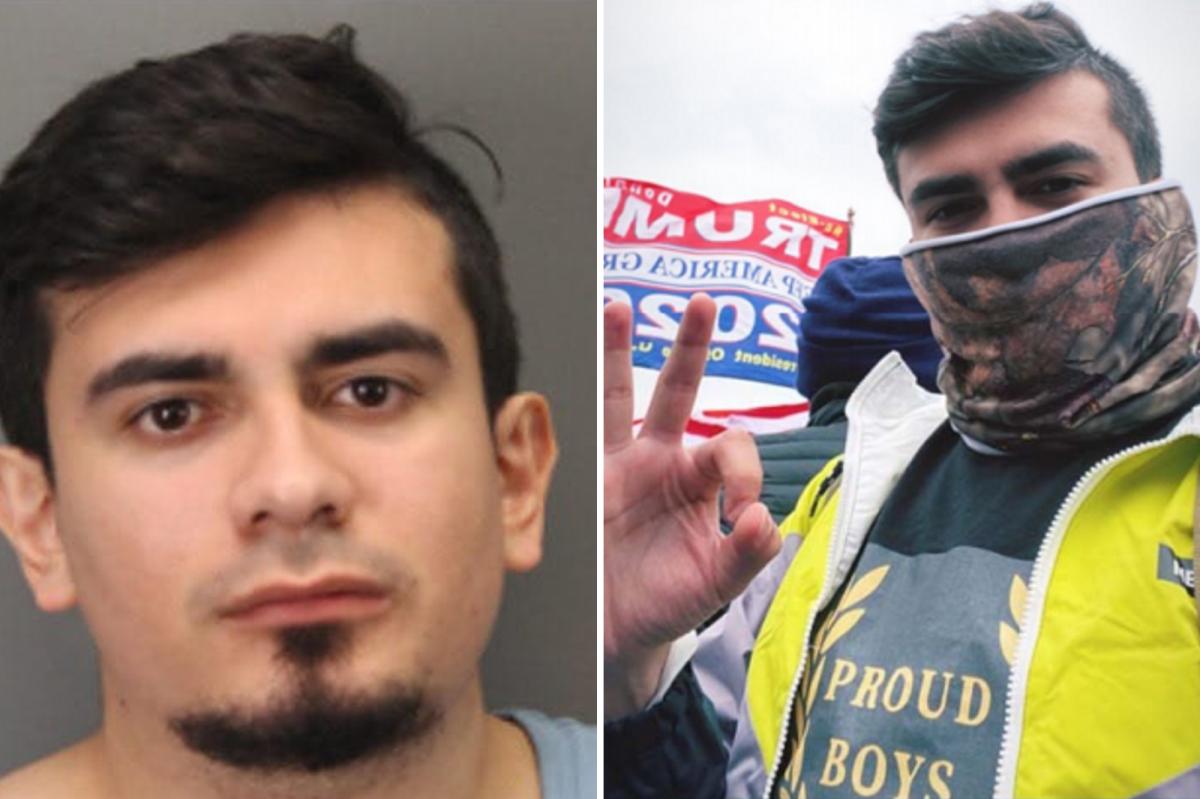
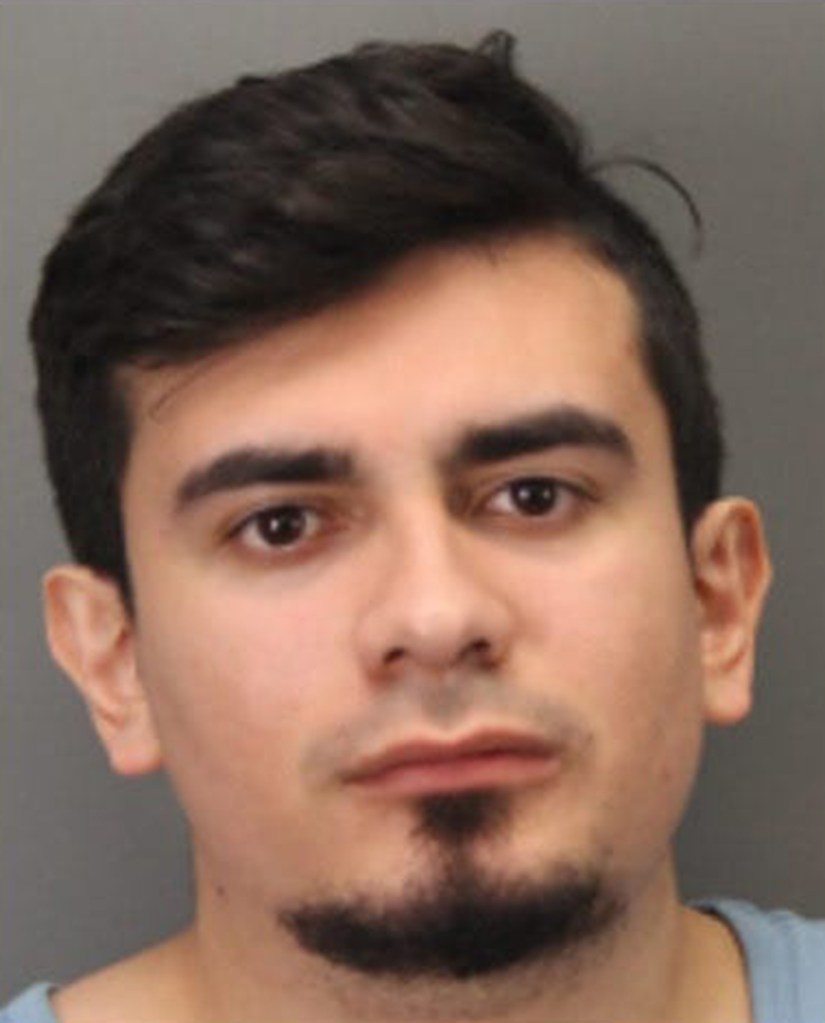
Bryan Betancur, a 28-year-old Maryland man with a documented history of electronic monitoring and involvement in the January 6, 2021, Capitol riot, is now the target of an active arrest warrant. Metro Transit Police (MTPD) seek Betancur for assault and battery following allegations he livestreamed himself touching the hair of multiple unsuspecting women aboard a Silver Line train near the Clarendon Metro Station in Virginia on Sunday evening. Metro Transit Police officials confirmed they are actively investigating multiple reports of inappropriate behavior across their system, noting videos circulating on social media.
Table of Contents
The Allegations and Active Search
“We are aware of videos circulating on social media depicting inappropriate behavior toward Metro customers,” Metro Transit Police stated. “We’re taking reports seriously and actively investigating every lead.” The incidents, initially highlighted by social media posts and later reported by local outlet The MoCoShow, describe Betancur allegedly approaching unsuspecting women on Washington D.C. Metro trains and touching their hair without their consent or knowledge, often broadcasting these acts online. MTPD urges anyone with information regarding Betancur’s whereabouts or the incidents to contact them at 202-962-2121 or by texting MYMTPD (696873). An online account identified as Betancur’s, which previously featured a bio proclaiming him a “Vindicated Patriot” and “J6ER Catholic,” had privatized its content as of Monday evening.
A History of Supervision and Extremism
Betancur’s name has surfaced in public records tied to a range of criminal justice issues, including previous stints under **electronic monitoring**. Officials previously stated that **electronic monitoring** data from an **ankle monitor** initially placed him at the U.S. Capitol during the January 6, 2021, unrest, directly contributing to his arrest. At the time, Betancur was already under **community supervision**, on parole for fourth-degree burglary charges.
Federal affidavits reveal a pattern of extremist views; Betancur “made statements to law enforcement officers that he is a member of several white supremacy organizations.” The same documents indicate he “has voiced homicidal ideations, made comments about conducting a school shooting, and has researched mass shootings,” further expressing a desire to be a “lone wolf killer.” On January 6, Betancur, who was fitted with an **ankle bracelet** and subject to **offender tracking**, was observed near the U.S. Capitol Building in a Proud Boys T-shirt, displaying the “OK” hand signal and holding a corner of a Confederate battle flag, according to the affidavit. The Proud Boys organization, described by federal authorities as a “pro-Western fraternal organization,” is recognized as a far-right, neo-fascist group primarily based in the United States. Betancur had received permission while on probation to travel to Washington D.C. with the evangelical Gideon International organization to sell Bibles when he ultimately joined the mob.
Repeated Encounters with the Justice System
His involvement in the Capitol riot led to a four-month jail sentence. Betancur was later among those who received a presidential pardon for their January 6 offenses. More recently, in 2024, Betancur faced new charges for multiple violations of an anti-stalking order. This order specifically barred him from contact with Brianne Champman, a prominent Washington, D.C. activist known as “Anarchy Princhess” who gained public attention as a counter-protester at hearings related to January 6 cases. According to local reporting from WSUA9, Betancur ultimately pleaded guilty in D.C. Superior Court to two distinct counts of contempt of an anti-stalking order.
He received a sentence of six months in jail for each count, with all but 30 days suspended, reflecting the severity of the repeated violations. As part of this latest disposition, he was ordered to serve two years of supervised probation, with the initial six months immediately following his release from prison mandating **GPS ankle bracelet** monitoring. This period of **electronic tagging** was designed to enforce his compliance with court mandates and maintain public safety under his renewed **community supervision**.

The current warrant for Betancur underscores the persistent challenges inherent in supervising individuals with documented histories of volatile behavior and extremist ideologies within the community. It also highlights the intricate role that **electronic monitoring** plays, both in initial offender identification and in ongoing attempts to manage and track high-risk individuals post-incarceration.
What Are the Broader Implications for Electronic Monitoring Programs?
Electronic monitoring programs continue expanding as GPS ankle bracelet technology improvements — multi-week battery life, zero false-alarm tamper detection, and multi-mode connectivity eliminating cellular dead zones — remove the operational barriers that previously constrained program growth across criminal justice, immigration, and public safety applications.
The evidence base supporting electronic monitoring effectiveness is substantial and growing. Research from multiple jurisdictions documents that GPS ankle monitor supervision reduces recidivism by approximately 31%, pretrial GPS monitoring achieves 85-95% court appearance rates, and domestic violence proximity alert programs reduce repeat violations by 50-70% — all while costing 70-95% less per day than incarceration.
For agencies evaluating or expanding electronic monitoring capabilities, current-generation GPS ankle bracelet technology represents a mature, evidence-backed supervision tool. The transition to Generation 4 devices with adaptive connectivity and AI-assisted alert management will further improve program efficiency, enabling corrections and pretrial programs to serve larger populations with existing staff resources while maintaining the supervision quality that produces favorable compliance and recidivism outcomes.