AI in Criminal Justice

Coverage of artificial intelligence applications in criminal justice, including AI-powered electronic monitoring, predictive analytics in community supervision, risk assessment algorithms, and the intersection of AI technology with offender monitoring and rehabilitation programs.

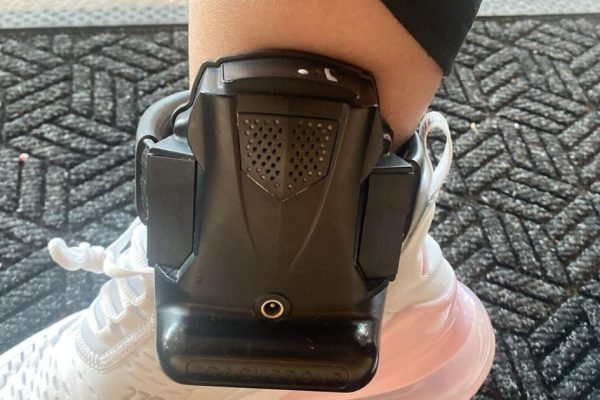
Compliance vs. Confinement: When GPS Ankle Bracelets Replace ICE Detention in Texas - illustration
AI in Criminal Justice

ICE Alternatives to Detention Reaches 42,000 GPS Ankle Monitors: Immigration Electronic Monitoring Surge and Technology Implications

U.S. Immigration and Customs Enforcement alternatives-to-detention (ATD) enrolment with GPS hardware reportedly approached 42,000 participants by early 2026—nearly double mid-2025 levels. This analysis unpacks what that immigration ankle monitor scale implies for multilingual contact centres, rural cellular coverage, charging logistics, civil liberties framing, and vendor capacity—linking to our March 2026 ICE ATD deep dive.

· 8 min read
Ankle monitor supervision failures cases
AI in Criminal Justice

Supervision Failures Exposed: Baltimore Juvenile Case and Vancouver Repeat Offender Highlight Monitoring Gaps

Parallel headlines in Maryland and British Columbia show how court-ordered ankle monitor supervision can break down when hardware, monitoring-centre protocols, and release practices misalign. This industry analysis connects a Baltimore juvenile re-arrest (April 2026) and a Vancouver repeat offender cycle (2025–2026) to equipment classes, escalation SLAs, and procurement lessons—without substituting for primary court records.

· 8 min read
Florida courthouse legislation - domestic violence GPS monitoring mandate
AI in Criminal Justice

Florida HB 277: How the Sunshine State’s Bold Domestic Violence Electronic Monitoring Law Reshapes GPS Ankle Monitor Deployment

Florida HB 277 takes effect July 1, 2026, embedding GPS-class electronic monitoring deeper into domestic violence probation and pilot lanes in Pinellas County and the Sixth Judicial Circuit. This industry analysis unpacks statutory triggers, victim-safety telemetry, fiscal scaling, and how NIJ-era benchmarks should frame vendor due diligence.

· 9 min read
California courthouse - SB 437 false alarm mandate for GPS ankle bracelet monitoring
AI in Criminal Justice

California SB 437 and Miami-Dade’s 2% False Alarm Mandate: How Legislation Is Forcing GPS Ankle Monitor Technology Upgrades in 2026

GPS ankle monitor legislation 2026 is shifting from vague “electronic monitoring” language to engineering-grade requirements—continuous GPS, cellular modernisation, and quantified false tamper ceilings. This policy analysis connects California SB 437, South Florida bond-supervision procurement signals, and Florida HB 277 to vendor RFP reality.

· 8 min read
Bolsonaro Brazil ankle monitor tampering electronic monitoring case
AI in Criminal Justice

Bolsonaro Ankle Monitor Case: Why Tamper Detection Matters for High-Profile Monitoring

When a former head of state damages a court-ordered ankle monitor, the world watches how sensors, alerts, and judicial reasoning interact. This analysis connects Brazil’s November 2025 detention after strap integrity failure to global debates on tamper detection, NIJ-cited false-positive ranges, European GPS-tag supervision, and what agencies should document before the next high-profile breach.

· 9 min read
Global electronic tagging conference and international monitoring policy review
AI in Criminal Justice

Electronic Tagging in 2026: Global Review of GPS Ankle Monitor Technology and Policy

Electronic tagging is the umbrella term courts and ministries use from London to Sydney for radio-frequency curfew tags, GPS ankle monitors, and hybrid supervision hardware. This 2026 industry review maps UK Ministry of Justice contracting patterns, continental European adoption, Australasian programmes, and US electronic monitoring as a comparator—then traces cellular generations, one-piece device economics, and the legislation pushing procurement toward measurable reliability.

· 10 min read