





Across the country, electronic monitoring programs face constant scrutiny. Recent events in Maryland highlight enduring questions about these devices. They serve as a tool for accountability, but their role in preventing further offenses is often debated, especially within juvenile justice systems.
The issue gained fresh attention following the arrest of two teenagers in Baltimore. These individuals, already wearing ankle monitors for prior robbery and auto theft charges, were implicated in a new incident. This reignited public and legislative concern over the level of supervision accompanying electronic tagging technology.
The Monitoring Challenge
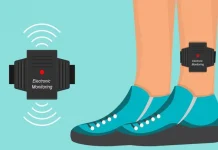
This incident in Baltimore, while localized, mirrors questions that surface repeatedly across various jurisdictions. Electronic monitoring devices, including GPS ankle bracelets, are deployed to ensure offender tracking, reduce pre-trial detention, and facilitate community supervision. But their mere presence doesn’t guarantee compliance or prevent re-offense.
Lawmakers and supervision agencies nationwide constantly grapple with the limits of this technology. They ask: How much active human oversight accompanies each device? What interventions are in place when an alert is triggered? And critically, how do these tools contribute to the rehabilitation of individuals, especially young people?
Maryland’s Department of Juvenile Services, for example, oversees 274 youths on electronic monitors. The exact number of staff dedicated to monitoring these individuals remains unclear. This lack of transparency mirrors concerns in other jurisdictions, where critics argue that without robust human oversight and supportive interventions, an ankle monitor alone cannot deter crime. Past administrations have faced similar scrutiny when monitored individuals re-offended. While some officials report improvements, even one new incident involving a monitored individual sparks widespread alarm. The technology provides location data, but it does not inherently offer mentorship, counseling, or intervention at critical moments.
A Competitive Field
The electronic monitoring sector has no shortage of established players. BI Incorporated, backed by GEO Group, remains one of the largest providers in the U.S., offering a range of GPS and radio-frequency monitoring solutions. SCRAM Systems dominates the alcohol monitoring niche with its continuous transdermal alcohol monitoring ankle devices. Attenti, now under Allied Universal, extends its reach, serving programs in over 30 countries globally.
Specialized vendors have also carved out distinct niches. This includes companies like Buddi in the UK, focused on rehabilitative monitoring, and manufacturers offering compact one-piece GPS designs. Examples like the CO-EYE series feature advanced optical-fiber tamper detection and rapid, three-second snap-on installation, pushing the boundaries of device security and usability.
The future of electronic monitoring will likely involve more than just tracking. Expect greater integration with rehabilitative services and real-time intervention strategies. Technology will continue to advance, offering more sophisticated tamper detection and improved data analytics, but the challenge remains to pair these technological leaps with sufficient human resources and effective intervention programs.
Source: FOX45 questions Senate President, DJS about monitoring of young people under supervision