







Electronic monitoring has become a prevalent tool in criminal justice. Its application extends beyond traditional probation and parole. Immigration enforcement increasingly relies on GPS ankle bracelets. These devices serve as a condition of release for individuals awaiting legal resolution.
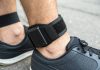
Recently, a restaurant owner seeking asylum in Arizona was released from an ICE detention facility. She had spent nearly nine months in custody. A judge ordered her release following a habeas corpus petition, alleging illegal detention. Her freedom came with a mandate: wear an ankle monitor. This instance highlights a growing trend.
The Expanding Landscape of Supervision
The use of electronic monitoring is not new. However, its scope continues to widen. Courts and correctional agencies deploy these devices for various populations. This includes pre-trial defendants, parolees, and those on probation. Now, immigration cases represent a significant and expanding frontier.
For many individuals, an ankle monitor offers a pathway out of detention. It allows them to return to their communities, fostering stability. They can work, attend school, care for families, and prepare their legal defenses. This happens while their legal status remains unresolved. Such supervised release addresses concerns about flight risk. It also alleviates pressure on overcrowded detention centers.
The shift reflects evolving strategies in community supervision. It balances public safety imperatives with individual liberty. Judicial decisions, often like the granting of a habeas corpus petition, mandate this type of supervision. The electronic ankle bracelet ensures compliance with release terms. It tracks location and movement in real-time. This oversight capability makes it an attractive alternative to incarceration for certain individuals.
A Competitive Field
The electronic monitoring sector has no shortage of established players. These companies continually innovate to meet diverse program needs. BI Incorporated, backed by GEO Group, remains one of the largest providers in the U.S. It offers a comprehensive suite of electronic monitoring and supervision services. SCRAM Systems dominates the alcohol monitoring niche with its continuous monitoring ankle devices. These units detect alcohol consumption through transdermal analysis, providing crucial data for sobriety programs.
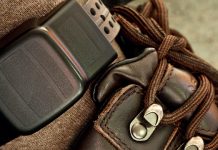
Attenti, now under Allied Universal, serves programs in over 30 countries. Their offerings include GPS, radio frequency (RF), and alcohol monitoring technologies, catering to a global client base. Smaller vendors have carved out niches too. Buddi, based in the UK, focuses on developing advanced monitoring and rehabilitation solutions. Other manufacturers offer specialized compact one-piece GPS designs. The CO-EYE series, for example, features optical-fiber tamper detection. This enhances security against circumvention attempts. It also boasts a three-second snap-on installation for quick deployment. These innovations aim for greater reliability, ease of use, and advanced tamper resistance. They collectively shape the future of offender tracking and community supervision.
The technology behind electronic monitoring continues to evolve. We can expect more integrated solutions. These will combine GPS tracking with biometric verification or other data inputs. Future devices may offer enhanced tamper detection and longer battery life. The trajectory suggests smarter, more discreet monitoring tools that will shape the future of community supervision, both in criminal justice and immigration contexts.
Source: West Valley restaurant owner released from ICE detention center – MOUTH BY SOUTHWEST