








SEOUL — South Korea’s electronic monitoring system faces critical staffing shortfalls as the number of individuals under community supervision wearing ankle monitors reaches a five-year high. Data from the Ministry of Justice reveals that the caseload for probation officers overseeing GPS ankle bracelets has surged, even as the number of monitoring personnel has decreased. This imbalance has prompted serious concerns about public safety and the effectiveness of offender tracking, particularly following a recent stalking murder.
Rising Caseloads and Shrinking Oversight
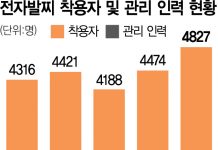
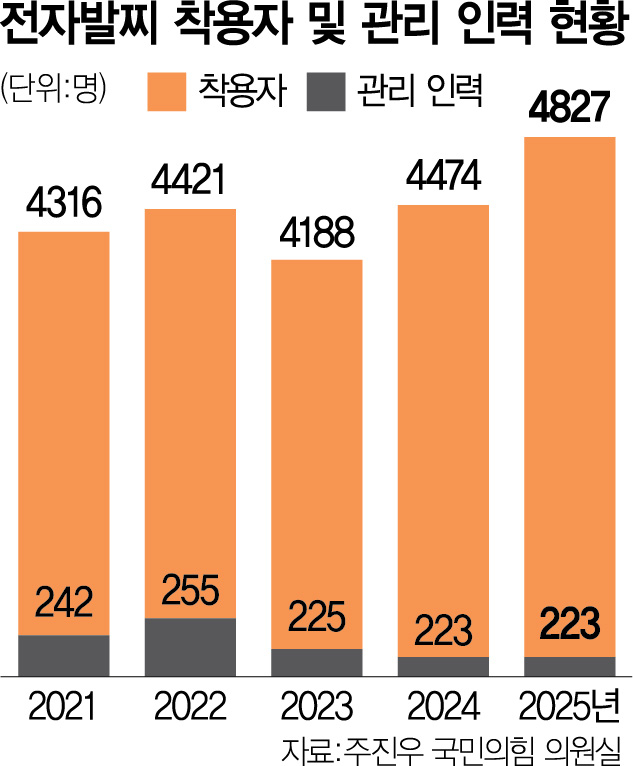
The Ministry of Justice reported a record 4,827 individuals wearing electronic ankle bracelets last year, a 19% increase from 4,316 wearers in 2021. This data was submitted to the office of Rep. Joo Jin-woo of the People Power Party on October 16.
Despite this rise in offender tracking, the number of staff responsible for managing electronic monitoring programs fell. Monitoring personnel decreased from 242 in 2021 to 223 last year. This staffing reduction means each probation officer was responsible for an average of 21.6 individuals, the highest ratio recorded in the past five years. This contrasts sharply with caseloads in other nations; Professor Lee Woong-hyuk, a police science expert at Konkuk University, noted that “The number of individuals each probation officer monitors in Korea is more than five times higher than in other countries,” emphasizing that relationship-based crimes demand rapid emergency response, making adequate staffing essential.
Fatal Gaps in Supervision
The growing discrepancy between supervised individuals and oversight personnel has fueled worries about what experts call “supervision gaps.” Over the past five years, 252 repeat offenses occurred while individuals were wearing ankle monitors. Additionally, 47 cases of electronic tagging devices being damaged or tampered with were reported during the same period.
The tragic murder in Namyangju on October 14 brought these systemic vulnerabilities into sharp focus. A suspect, who was wearing an ankle monitor for a previous offense, approached and murdered a victim in a stalking case. Authorities reportedly took no practical measures to track his movements until he was already near the victim. Following the crime, the suspect cut off his ankle bracelet and fled. The victim was later found in cardiac arrest and died.
Critics, including Rep. Joo Jin-woo, argue that this incident represents a “clear failure of public safety policy” and that “a precious life was lost due to poor management of high-risk offenders, even though real-time location tracking was possible.”
Calls for Reform and Interagency Coordination
In the wake of the Namyangju murder, the Ministry of Justice announced it would review legal amendments to allow for the attachment of electronic location tracking devices, such as GPS ankle bracelets or wrist monitors, when restraining orders are issued. However, experts caution that such measures will have limited impact without an increase in monitoring personnel.
Beyond staffing, calls are mounting for strengthened coordination between the Ministry of Justice and police forces. The ministry explained that the Namyangju suspect’s ankle monitor was connected to an older offense, meaning his movements specifically related to the stalking case were not independently monitored by probation officers. This highlights a critical breakdown in information sharing between police handling victim protection and the probation system.
Professor Lee Yun-ho, a police administration expert at Dongguk University, pointed out that “The suspect’s stalking risk was not adequately communicated to the Ministry of Justice even when a restraining order was issued.” He advocated for “establishing a real-time information sharing system for high-risk offenders.”
Experts also argue that the response system must become more proactive, shifting away from merely reactive devices like smartwatches or ankle monitors. Professor Lee Yun-ho stressed that “Such devices are primarily reactive in nature and have limitations in crime prevention.” He urged more active utilization of “provisional measure No. 4,” a legal provision that permits the detention and custody of high-risk offenders.
President Lee Jae-myung acknowledged the public’s dissatisfaction, stating on the same day that “The response by relevant authorities was slow and fell far short of public expectations.” He ordered officials to “inspect those responsible for the situation and take strict action.” The ongoing challenges underscore the urgent need for comprehensive reforms to ensure that electronic monitoring effectively enhances community supervision and public safety.
Source: One Officer Monitors 22 Ankle Bracelet Wearers as Staffing Falls