







A recent case out of Hamilton County, Ohio, where a supervisee allegedly removed a court-ordered electronic monitoring device, spotlights a persistent challenge for community supervision programs nationwide: the breach of monitoring conditions. Authorities confirmed an arrest warrant has been issued for the individual, Iesha Harris, who is accused of removing her ankle monitor following a police chase that reportedly involved ramming police cruisers.
Key Takeaways
- Individuals under electronic supervision continue to tamper with or remove monitoring devices.
- Such violations frequently occur in conjunction with new criminal activity, posing direct public safety risks.
- Law enforcement agencies face resource demands in pursuing and apprehending absconders.
- The incident highlights the necessity for robust, proactive intervention strategies alongside monitoring technology.
When an individual under electronic supervision removes their device, it often signals a critical lapse in compliance with court orders and an elevated public safety risk. In the Hamilton County incident, authorities allege the individual, already facing serious charges including felonious assault from a prior warrant, not only fled from police but also rammed cruisers during a pursuit stretching from Norwood to Indiana, causing one cruiser to roll over. Hamilton County’s chief probation officer confirmed Harris cut off her ankle monitor after these events.

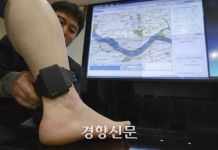
Since their introduction in the 1980s, electronic monitoring devices have evolved considerably, yet the challenge of tampering has remained a constant. Early radio frequency (RF) devices, typically used for house arrest, were relatively easier to defeat for determined individuals. Modern GPS ankle bracelets offer location tracking, but skilled or desperate supervisees still find ways to remove them, often leading to immediate flight. This ongoing cat-and-mouse game demands continuous innovation from device manufacturers and vigilant oversight from probation and parole officers. Chief probation officers, like the one in Hamilton County, are on the front lines, responding to alerts and coordinating with law enforcement to address these breaches promptly.
A Competitive Field
The electronic monitoring sector is a dynamic space, with several major players and niche providers. Long-standing providers like BI Incorporated, a GEO Group subsidiary, maintain a significant presence in the U.S. market. SCRAM Systems is widely known for its continuous alcohol monitoring technology. Attenti, operating under Allied Universal, extends its services globally across more than 30 countries. The market also includes smaller, specialized vendors, such as the UK-based Buddi, and manufacturers focusing on specific hardware innovations, like compact one-piece GPS trackers with advanced tamper detection. This includes some CO-EYE series models, which feature optical-fiber tamper detection and a three-second snap-on installation designed to enhance security and ease of use.

Looking ahead, the electronic monitoring sector is poised for further integration of predictive analytics and enhanced real-time data capabilities to improve compliance and intervention. The goal remains to balance effective supervision with public safety, continually refining technology to deter tampering and ensure swift intervention when breaches occur.
Source: Warrant issued for woman accused of chase, ramming police cruisers in crash