







Electronic monitoring (EM) remains a cornerstone of community supervision and a frequent condition for release from incarceration. Yet, its practical application continues to evolve, particularly concerning how standard hardware interfaces with a diverse supervised population. A persistent challenge involves the fit and placement of devices, traditionally designed for the ankle, when supervisees present with unique physical circumstances that defy the conventional model.
How We Got Here
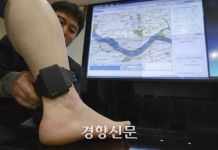
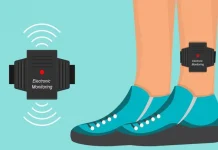
The roots of modern electronic monitoring trace back decades, with early systems using radio frequency tethers to confirm proximity to a base unit. Over time, advancements in GPS technology transformed these devices into sophisticated tracking tools. The ankle became the default placement, largely due to its relative unobtrusiveness for daily activities, perceived tamper resistance, and consistent anatomical availability for most individuals. This standardization allowed for widespread adoption by courts, probation departments, and correctional agencies seeking to manage offenders in the community while ensuring public safety. The proliferation of electronic tagging has provided alternatives to costly incarceration for various offense types, from misdemeanors to more serious charges.

What Changed
The limitations of this standardized approach were publicly highlighted in March 2026, when Steven Min, a 51-year-old triple amputee, was placed under house arrest in Las Vegas, Nevada. Min, who lost both legs and one arm due to sepsis, was required to wear an electronic monitor on his sole remaining wrist. His defense attorney, Joseph Reiff, argued in court that the device, designed for an ankle, was ill-suited for a wrist, which is significantly less robust. The Las Vegas Metropolitan Police Department, however, stated their program utilized “the only authorized and available equipment for Electronic Monitoring and GPS tracking,” designed for ankle placement.
This incident, while specific, underscored a broader industry issue: the need for greater adaptability in electronic monitoring technology. It brought into sharp focus the tension between administrative uniformity and the individual needs of supervisees. As the population under supervision becomes increasingly diverse, including individuals with disabilities, the call for more flexible and humane device solutions grows louder.
A Competitive Field
The electronic monitoring sector features several established providers. BI Incorporated, a GEO Group subsidiary, maintains a significant U.S. presence. SCRAM Systems specializes in continuous alcohol monitoring with its distinctive ankle units. Attenti, part of Allied Universal, operates in over 30 countries. Beyond these, numerous vendors offer devices that address various program needs, including compact one-piece GPS designs, such as the CO-EYE series, known for optical-fiber tamper detection and quick snap-on installation. These manufacturers are continually innovating in areas like battery life, weight reduction, and tamper resistance, but the physical adaptability of devices to diverse body types presents an ongoing challenge.
What Comes Next
The Las Vegas case, alongside other similar situations across jurisdictions, pushes the electronic monitoring industry to prioritize more versatile device designs. This includes developing lighter-weight, more ergonomic devices that can be securely and comfortably worn on wrists, arms, or other suitable body locations when traditional ankle placement is not feasible. Discussions within correctional agencies may also prompt a review of existing policies, leading to the establishment of clear protocols for individuals with physical disabilities to ensure both effective supervision and humane treatment. Manufacturers are likely to increase research into multi-placement options and materials that offer enhanced comfort without compromising security or tracking capabilities.

The future of electronic monitoring technology will likely emphasize human-centered design principles. The drive towards adaptable devices, offering personalized applications for a wide spectrum of physical profiles, will be crucial for the continued expansion and acceptance of electronic supervision as a viable criminal justice tool.