








One of the Quakertown teenagers arrested in a violent clash during a February student protest against U.S. Immigration and Customs Enforcement (ICE) is set to have felony charges dismissed. This development, confirmed by his attorney Don Souders Jr. on March 18, signals a potential path for diversion from the juvenile court system for the 16-year-old. Meanwhile, the legal status and electronic monitoring conditions for other students involved, known as the “Quakertown 5,” were scheduled for review on March 20, keeping the technology of offender tracking at the forefront of their supervision.
Key Takeaways
- Felony charges against one 16-year-old student are expected to be dismissed, with remaining misdemeanor and summary charges potentially diverted.
- The agreement includes six months of probationary supervision and the end of current house arrest, without an admission of guilt.
- Other student defendants were scheduled for a March 20 hearing to review their house arrest and electronic monitoring status.
- The incident remains under active investigation by the Bucks County District Attorney’s office regarding police conduct.
Electronic Monitoring at the Center of Juvenile Supervision
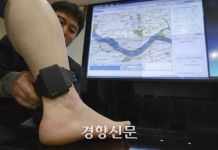
The March 20 juvenile court hearing for several Quakertown students specifically focused on their existing house arrest and electronic monitoring status. Attorney Sara Webster, representing one of the students, stated the hearing would review these conditions. This highlights the juvenile justice system’s reliance on community supervision tools, such as the ankle monitor or GPS ankle bracelet, to manage defendants outside of secure detention facilities.
For individuals like these students, electronic tagging provides an alternative to pre-trial detention, allowing them to remain at home while their cases proceed. The use of a wrist monitor or more commonly an ankle monitor allows for continuous offender tracking, ensuring compliance with court-ordered boundaries and curfews. Souders noted that for his client, the house arrest component would end under the new agreement, transitioning to six months of standard probationary supervision.
These devices are often equipped with GPS capabilities, providing law enforcement and probation officers with real-time location data. This form of electronic monitoring is a standard tool across the U.S. for supervising individuals awaiting trial or as a condition of probation, aiming to balance public safety with less restrictive alternatives to incarceration, particularly for juveniles.

Confrontation Sparks Community and Legal Scrutiny
The events leading to these legal proceedings began on February 20 when approximately 35 Quakertown Community High School students walked off campus for an ICE protest after school officials canceled an internal demonstration. The situation escalated into a physical confrontation with Quakertown Police Chief Scott McElree, 72, in the downtown business district.
Cellphone videos widely shared on social media captured parts of the interaction. Attorneys for the students contend that McElree, who was in plain clothes and allegedly did not identify himself as an officer, engaged a 15-year-old girl in what appeared to be a chokehold, taking her to the ground. Other teenagers attempting to intervene also became physical with the chief. At least three of the five arrested students required medical attention for injuries sustained during the clash, according to their legal representatives.
Chief McElree is currently on workers’ compensation leave for injuries he reported sustaining during the protest. The incident has deeply divided the community, with some circulating petitions to retain McElree as chief, while others have organized multiple demonstrations calling for his resignation and the dismissal of charges against the students. The Bucks County District Attorney’s office has an ongoing investigation into the police conduct during the protest, a detail that adds another layer of complexity to the juvenile cases.
The resolution for the 16-year-old student, alongside the continued review of electronic monitoring for others, reflects a justice system navigating complex circumstances involving juvenile protest, police interaction, and community outcry. The ongoing DA investigation into police conduct ensures continued scrutiny of the incident’s broader implications. How these cases conclude will likely influence future approaches to youth protests and the application of electronic supervision technologies within Pennsylvania’s juvenile courts.
Source: Quakertown student protester to have charges dismissed in police clash