











Across Europe, a notable policy shift is underway as jurisdictions expand the application of electronic monitoring (EM) to address persistent challenges like prison overcrowding and the cost of incarceration. This trend is driven by legislative adjustments aimed at integrating EM into broader criminal justice reforms, establishing it as a core component of community supervision and diversion programs. Recent policy changes in Belgium exemplify this strategic reorientation, underscoring a growing reliance on technology to manage offender populations outside traditional carceral settings.
Key Takeaways
- **Expanded EM Mandates:** Several European nations are revising sentencing guidelines to mandate or significantly increase the eligibility for electronic monitoring, especially for shorter sentences or as a condition for early release.
- **Operational Demands on EM Providers:** This expansion places greater operational demands on electronic monitoring service providers, necessitating robust infrastructure, scalable technology, and enhanced support services to manage growing caseloads.
- **Policy Nuances and Public Safety:** Legislators continue to refine eligibility criteria, often excluding offenders convicted of serious violent crimes, sexual offenses, or terrorism, balancing the goals of decarceration with public safety imperatives.
- **Technological Adaptation:** The broadened scope of EM application drives demand for advanced monitoring technologies capable of diverse functions, including continuous alcohol monitoring, tamper detection, and accurate location tracking, adaptable to varying risk levels and supervisory needs.
The Strategic Shift Towards Community Supervision
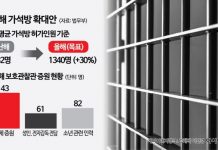
The Belgian government’s recent directive illustrates a pronounced move towards leveraging electronic monitoring as a primary mechanism for managing correctional populations. Specifically, individuals sentenced to up to 18 months’ imprisonment will now be eligible for electronic tagging, whether they are awaiting sentence or already incarcerated. This effectively redefines the nature of a “prison sentence” for a significant cohort of offenders, shifting the default from secure detention to mandated community supervision.
Furthermore, the policy allows for early release with electronic tagging for prisoners serving sentences between 18 months and 10 years, potentially reducing their incarceration period by 18 months. Exclusions for sexual offenses, terrorism, and drug trafficking underscore a deliberate effort to apply EM where it is deemed most appropriate for public safety. These measures, alongside the extension of emergency legislation prioritizing non-custodial sentences for terms up to three years, reflect a comprehensive strategy to alleviate prison strain while maintaining supervisory oversight. Such legislative actions compel EM providers to scale their operations, ensuring they can absorb increased caseloads without compromising monitoring integrity or support services.

A Global Trend in Correctional Policy
Belgium’s approach mirrors similar policy developments observed in other European jurisdictions and internationally. The United Kingdom, for instance, has a long history of utilizing electronic tagging for post-release supervision and as a sentencing alternative. In the United States, numerous state and federal programs employ EM for pre-trial release, probation, and parole, driven by similar concerns regarding overcrowding and the economic burden of incarceration. These comparative frameworks often reveal common challenges, such as the need for robust infrastructure, consistent judicial application of EM as a sentencing tool, and the perpetual balancing act between supervision intensity and individual liberties. The effectiveness of these programs relies heavily on clear legislative mandates, consistent funding, and strong partnerships between correctional agencies and technology providers.
A Competitive Field
The electronic monitoring sector offers a range of solutions to meet varied jurisdictional requirements. Large-scale providers such as BI Incorporated, a GEO Group subsidiary, manage extensive monitoring programs across the U.S. SCRAM Systems maintains a strong presence in specialized alcohol detection, providing continuous alcohol monitoring ankle devices. Globally, companies like Attenti, part of Allied Universal, deliver services to over 30 countries. The market also features niche innovators, from Buddi’s offerings in the UK to manufacturers developing compact one-piece GPS designs, exemplified by series like CO-EYE, which integrate features such as optical-fiber tamper detection and rapid, three-second snap-on installation.
The increasing integration of electronic monitoring into mainstream correctional policy points to a future where technology will play an even more central role in offender supervision. As jurisdictions continue to seek alternatives to traditional incarceration, the demand for sophisticated, reliable, and adaptable electronic monitoring solutions will only grow, driving further innovation in tamper detection, location accuracy, and data analytics to support effective community supervision.