









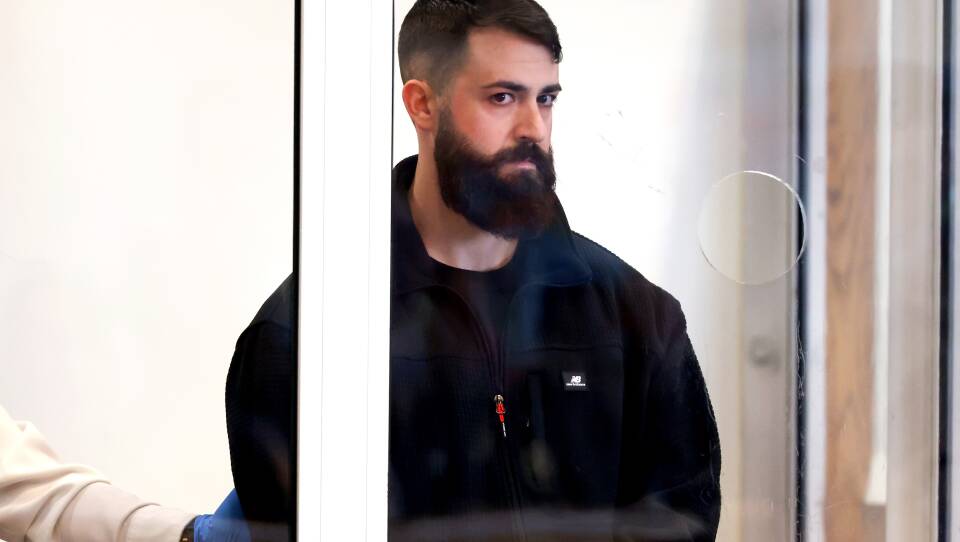
Boston Police Officer Nicholas O’Malley has been charged with manslaughter in the fatal March 11 shooting of 39-year-old Stephenson King in Roxbury. The charge, announced by Suffolk County District Attorney Kevin Hayden, comes amid intensifying calls from community organizers for the release of police body camera footage. Advocates are drawing comparisons to other high-profile police killings and highlighting King’s status as a Black man.
Key Takeaways
- Officer O’Malley, 33, pleaded not guilty to manslaughter and was released, following his indictment for firing at a moving vehicle—a practice prohibited by state law and Boston Police Department procedure.
- Roxbury community groups, particularly the Black Community Information Center, demand the immediate release of police body camera footage to ensure transparency regarding the sequence of events leading to King’s death.
- Stephenson King, identified through court documents as Black, had a complex legal history, including a period of community supervision facilitated by an electronic monitoring ankle bracelet.
- Data from King’s ankle monitor was cited by investigators in a separate violent assault case, placing him at a crime scene and demonstrating the technology’s critical role in offender tracking.
Ankle Monitor Data Played Evidentiary Role in King’s Prior Cases
At the time of his death, King faced multiple open criminal cases. This included firearm charges from January 2024, which led to his placement under electronic monitoring with an ankle bracelet. The following month, he was charged in an alleged car theft that involved assault, reportedly striking the vehicle’s owner with the stolen car. Separately, detectives investigating a violent assault accusation from 2024, where a pedestrian was reportedly struck with a bottle and stabbed, cited ankle monitor data placing King near the scene within seconds. Surveillance footage from the area showed no other pedestrians present at the time. This detail highlights the often-critical role of GPS ankle bracelet technology and offender tracking in providing objective data for investigations, a core aspect of community supervision and electronic tagging programs.
Community Demands Echo National Calls for Transparency
King’s fatal shooting occurred in Roxbury’s Linwood Square after he was stopped under suspicion of carjacking and allegedly attempted to flee. The decision to charge Officer O’Malley followed an investigation that determined firing at a moving vehicle violates department policy, with limited exceptions. The community’s demands for body camera footage echo similar calls made in police-involved shootings nationwide.
Sadiki Kambon, director of the Black Community Information Center, explicitly likened King’s death to George Floyd’s, stating, “It looks like this Stephenson, he’s our George Floyd here in Boston.” Resident Paula Coar referenced the January ICE-involved shooting of Renée Nicole Good in Minneapolis, which garnered national headlines, as another example where footage was released. Vernard Coulter, a minister at New Faith Missionary Baptist Church, emphasized that footage “definitely substantiates what happened.” Public expectation for video evidence has grown, particularly in cases involving law enforcement and people of color, fueling the ongoing struggle for police accountability.
As Officer O’Malley’s legal proceedings advance, the pressure for full disclosure of body camera footage will likely persist. The unfolding situation in Boston continues to underscore the broader implications for police accountability, community trust, and the evidentiary role of technologies like electronic monitoring and body cameras within the criminal justice system.
Source: Community demands body cam footage after police killing of unarmed Black man in Roxbury