In 1982, a U.S. judge, inspired by Spider-Man comics, persuaded a company to develop an electronic anklet and surveillance system suitable for criminals. Due to the influence of human bones, the wrist cannot be used as tightly as traditional metal handcuffs, and it is easy to be detached in a loose environment. Therefore, the electronic monitors are all worn on the ankles, forming an electronic foot ring (ankle). monitor).

In 1983, the first order required parole violators to wear electronic ankle bracelet to monitor their daily behavior for a period of time.
So far, the United States has applied the telephone line-based remote monitoring technology to the monitoring of non-custodial criminals for the first time, and directly implanted the electronic monitoring mode of “house arrest” from the remote transmission monitoring technology of fixed telephones:
Electronic ankle bracelet: An electronic transmitter worn on the ankle of the criminal, and an electronic monitoring circuit is embedded in the foot ring, which has the function of cutting or removing the alarm;
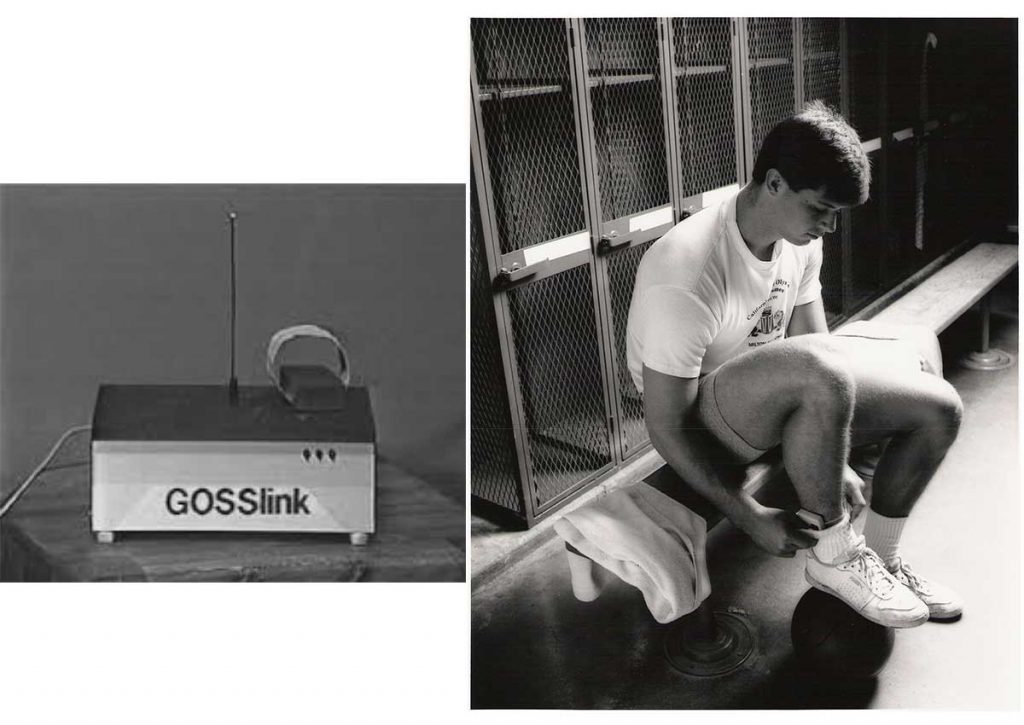
Signal monitoring device: The signal monitoring device is installed on the telephone line of the monitored place (usually the criminal’s home). The central computer monitoring system of the judicial supervisory agency.
Central computer monitoring system. Its working mode is that the electronic foot ring can continuously send out signals, the signal strength of the signal monitoring device receiving the electronic foot ring determines the size of the signal receiving range, and the signal monitoring device in the criminal’s home must be kept within a certain receiving range. If it exceeds this range, the signal monitoring device receives the abnormal signal emitted by the electronic foot ring or cannot receive the signal emitted by the electronic foot ring, and transmits it to the central monitoring computer through the telephone line. Based on this, the staff of the central computer monitoring system can infer that the criminal has left the monitoring range and report the situation to law enforcement officers.
Table of Contents
What Are the Broader Implications for Electronic Monitoring Programs?
Electronic monitoring continues expanding across all segments of the criminal justice system — pretrial supervision, probation, parole, domestic violence protection, and immigration enforcement. Current industry estimates indicate more than 200,000 individuals are under GPS ankle monitor supervision in the United States on any given day.
The growth of electronic monitoring programs reflects a broader shift in corrections philosophy from incarceration-first to evidence-based community supervision. Research consistently supports this approach: a landmark Florida Department of Corrections study found that GPS ankle bracelet monitoring reduced recidivism by 31% compared to traditional supervision, while costing 70-95% less than incarceration per day.
Technology advancement is accelerating this trend. Next-generation GPS ankle monitors with multi-week battery life, zero false-alarm tamper detection, and cellular dead zone elimination are addressing the operational challenges that previously limited program expansion. As device reliability improves and officer workload from false alerts decreases, agencies can manage larger caseloads without proportional staff increases.
How Is GPS Ankle Monitor Technology Evolving to Meet Growing Demand?
The electronic monitoring industry is undergoing its most significant technological transition since the introduction of GPS tracking in the early 2000s. Fourth-generation ankle monitors feature adaptive multi-mode connectivity that switches automatically between BLE (180-day battery), WiFi (3-week battery), and LTE (7-day battery) based on the monitoring environment.
This connectivity innovation simultaneously solves the industry’s two most persistent operational challenges: battery life that requires daily charging and signal loss in cellular dead zones. A single WiFi repeater ($10-50) placed in an enrollee’s basement apartment provides both data connectivity and extended battery life — eliminating the supervision gap that older devices created in low-connectivity environments.
For corrections agencies planning program expansions, the technology maturity of current-generation GPS ankle bracelet systems means that equipment limitations are no longer the primary barrier to scaling electronic monitoring. The remaining challenges are organizational — establishing appropriate supervision protocols, training officers on effective alert management, and building judicial confidence in monitoring as a credible alternative to detention.
What Are the Broader Implications for Electronic Monitoring Programs?
Electronic monitoring programs continue expanding as GPS ankle bracelet technology improvements — multi-week battery life, zero false-alarm tamper detection, and multi-mode connectivity eliminating cellular dead zones — remove the operational barriers that previously constrained program growth across criminal justice, immigration, and public safety applications.
The evidence base supporting electronic monitoring effectiveness is substantial and growing. Research from multiple jurisdictions documents that GPS ankle monitor supervision reduces recidivism by approximately 31%, pretrial GPS monitoring achieves 85-95% court appearance rates, and domestic violence proximity alert programs reduce repeat violations by 50-70% — all while costing 70-95% less per day than incarceration.
For agencies evaluating or expanding electronic monitoring capabilities, current-generation GPS ankle bracelet technology represents a mature, evidence-backed supervision tool. The transition to Generation 4 devices with adaptive connectivity and AI-assisted alert management will further improve program efficiency, enabling corrections and pretrial programs to serve larger populations with existing staff resources while maintaining the supervision quality that produces favorable compliance and recidivism outcomes.