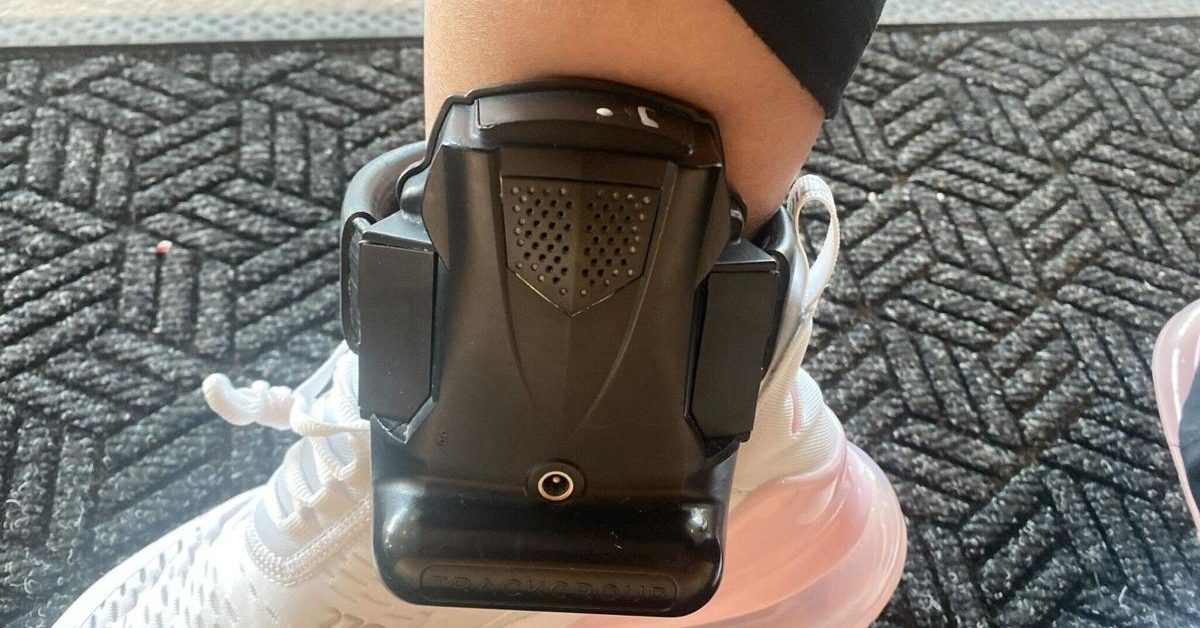
Electronic monitoring (EM) has become a cornerstone of community supervision across the globe, offering an alternative to incarceration for a range of offenders. However, the technology continually faces scrutiny when individuals under supervision remove their devices and commit new crimes, underscoring an inherent tension between the aims of rehabilitation and the imperative of public safety.
Table of Contents
The Promise of Electronic Monitoring
Proponents of electronic monitoring point to its significant advantages in managing offender populations. By tracking individuals through GPS ankle bracelets or radio frequency (RF) monitors, correctional agencies can reduce jail overcrowding, lower supervision costs compared to incarceration, and allow offenders to maintain employment, family ties, and engage in rehabilitative programs while remaining in the community. Data from various jurisdictions consistently shows that EM, when paired with appropriate support services, can contribute to lower rates of technical violations and, for many, a reduction in re-offending.
The system aims to provide accountability and a layer of control that traditional probation or parole alone cannot always offer. It serves as a deterrent against unauthorized movement and provides critical location data if violations occur. For many low-to-medium risk offenders, this approach facilitates a smoother reintegration into society, benefiting both the individual and the public by fostering stability and reducing recidivism over the long term.
The Reality of Tampering and Re-offending Risk
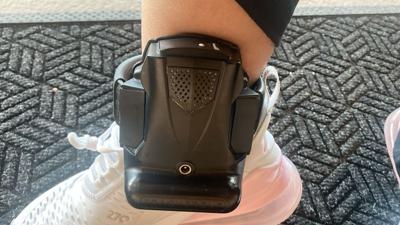
Despite EM’s benefits, the system is not foolproof. A recent case out of Ontario, Canada, serves as a stark reminder of these limitations. Kuot Akol, 31, was on bail for gun charges, monitored by a GPS ankle bracelet, when he removed the device. Subsequently, he engaged in a police chase, rammed law enforcement vehicles, and fired a weapon at officers before being apprehended. Akol was later sentenced to nine years in prison for aggravated assault of an officer and other charges, in addition to an earlier sentence for firearm offenses.
This incident, while not representative of the majority of EM cases, highlights a critical vulnerability: the potential for motivated individuals to tamper with or remove devices. York Regional Police Chief Jim MacSween publicly called the incident a “stark reminder of the dangers our officers face,” emphasizing the gravity of repeat offenders carrying illegal firearms. Such events force a re-evaluation of how technology integrates with human supervision and rapid response protocols, especially for individuals assessed as higher risk, even when on bail or parole.

The Bigger Picture
The Akol case is one data point in an ongoing industry effort to refine electronic monitoring as a tool. The challenge lies in developing devices that are increasingly difficult to compromise, alongside robust systems for immediate alert and response when tampering occurs. This involves not only technological advancements but also ensuring that judicial decisions accurately assess risk and that supervision agencies have the resources to respond effectively to every alarm.
The electronic monitoring sector has no shortage of established players focused on these innovations. BI Incorporated, backed by GEO Group, remains one of the largest providers in the U.S. SCRAM Systems dominates the alcohol monitoring niche with its continuous monitoring ankle devices. Attenti, now under Allied Universal, serves programs in over 30 countries. Smaller vendors have carved out niches too — from Buddi in the UK, specializing in GPS tracking for vulnerable individuals, to manufacturers offering compact one-piece GPS designs like the CO-EYE series, which features optical-fiber tamper detection and a three-second snap-on installation.
The future of electronic monitoring will likely see continued investment in multi-layered tamper detection technologies, integrating artificial intelligence for behavioral pattern analysis, and closer coordination between monitoring agencies and law enforcement. The goal remains to enhance public safety while still leveraging EM’s potential to provide meaningful alternatives to incarceration.
Source: ‘Stark reminder’: Man who cut off GPS monitor, shot at cops given 9-year sentence
Related Resources: Parole Electronic Monitoring Guide | GPS Ankle Monitor Buyer’s Guide | Electronic Monitoring for Bail & Pretrial
How Is Electronic Monitoring Technology Improving Community Supervision?
Modern GPS ankle monitor technology enables community supervision programs to verify compliance more reliably while reducing operational burden. Multi-mode connectivity and extended battery life address the failure points that most commonly compromise house arrest and conditional release monitoring.
Community supervision depends on reliable indoor monitoring — where traditional GPS ankle bracelet devices perform worst. Satellite signals degrade inside buildings, cellular weakens in basements, and batteries drain faster as devices search for signals. Next-generation ankle monitors solve this through WiFi-directed connectivity and BLE pairing with home beacons that confirm presence without GPS.
Research supports electronic monitoring for community supervision: Florida DOC documented 31% recidivism reduction with GPS ankle bracelet monitoring versus traditional supervision, while daily costs of $5-25 represent 70-95% savings versus incarceration. These outcomes drive continued legislative expansion of electronic monitoring across pretrial, probation, and parole programs.