A Michigan startup is revolutionizing alcohol monitoring with a wearable device no bigger than a smartwatch, aiming to remove the stigma associated with traditional ankle monitors.
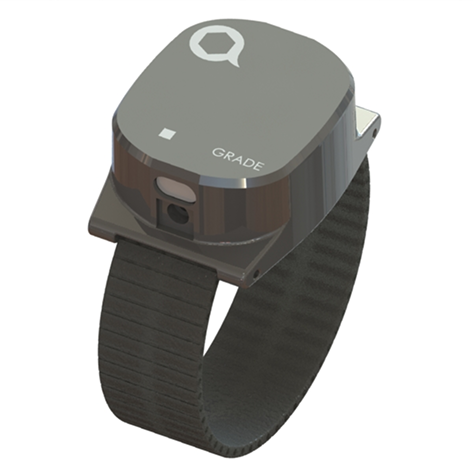
ArborSense, a University of Michigan spinout based in Ann Arbor, has developed G.R.A.D.E – graphene-based alcohol detection equipment – after nearly eight years of refining sensor-based wearable technology.
“We are working on making noninvasive detection sensors that can be used in a wide variety of industries and fields. Primarily right now we’re focusing on criminal justice and rehabilitation, so people that have substance use disorder can wear one of our products. It’s very discreet and it removes stigma,” CEO Jason Tizedes said.

The transdermal device detects alcohol through the skin and is significantly smaller than existing technology. While current market devices require two drinks per hour before detecting alcohol, ArborSense’s technology can detect one drink per hour.
“The technology that exists in the market right now needs to see two drinks per hour before it would be able to detect alcohol. We have been able to kind of isolate the alcohol in the system and really turn down or turn up the sensitivity on our sensor to be able to detect one drink per hour,” Tizedes said.
Traditional alcohol monitoring devices have remained largely unchanged for two decades, resembling bulky ankle monitors that Tizedes compared to “1970s headphones.” The new device has the same footprint as most smartwatches, making it easier for users to wear and adapt to daily life.
The technology addresses several market gaps. Current devices are approximately 10 years old, don’t pair with smartphones, lack autonomous cellular connectivity and haven’t seen price reductions due to limited competition.
“There’s really only one player. And because of that, the price hasn’t ever come down,” Tizedes said.
The cost comparison shows traditional devices range from $10 to $15 per day, while ArborSense’s unit costs between $7 and $9 daily.
The device doesn’t alert the wearer but instead sends instant notifications to monitoring authorities through text message, email, or automated phone calls. The system detects tampering attempts, including cutting the strap, undoing the buckle, or sliding objects underneath to prevent skin contact.
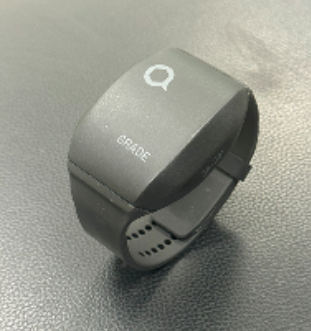
G.R.A.D.E wearables are available through court-mandated programs, but concerned parents and attorneys can also access them through a volunteer program.
How Does Electronic Monitoring Apply in Immigration Enforcement?
ICE’s Alternatives to Detention program uses GPS ankle monitors and smartphone apps to supervise 42,000+ non-detained individuals — representing one of the fastest-growing electronic monitoring segments with distinct technology requirements for extended supervision durations.
Immigration ankle monitor programs differ from corrections in supervision duration (12-36 months vs weeks), compliance profiles (most participants attend hearings voluntarily), and technology demands (extended battery durability for long deployments). GPS ankle bracelet devices must maintain reliable operation across significantly longer cycles than criminal justice applications while supporting multilingual platforms for diverse populations.
What Technology Requirements Define Immigration Electronic Monitoring?
Immigration ankle monitor programs present unique technology requirements compared to criminal justice applications: supervision durations of 12-36 months, diverse population language needs, long-term device durability requirements, and the need for smartphone-based alternatives for lower-risk individuals.
ICE’s Alternatives to Detention program monitors over 42,000 individuals through a combination of GPS ankle bracelet devices and smartphone check-in applications. This tiered approach reflects a technology maturity that the criminal justice sector is increasingly adopting: hardware GPS ankle monitors for higher-risk or non-compliant individuals, and app-based monitoring for those demonstrating consistent compliance.
Extended battery life is particularly important for immigration electronic monitoring — replacing devices every 12-24 months due to battery degradation creates logistical challenges that shorter corrections deployments rarely face. Next-generation GPS ankle monitors with high-capacity batteries and power-efficient multi-mode connectivity are better suited for the extended supervision durations common in immigration cases.