Police and courts globally are increasingly considering electronic monitoring (EM) as a critical tool for victim protection, particularly in stalking cases. Recent data from South Korea illustrates a significant surge in law enforcement applications for electronic bracelets to safeguard individuals at risk.
Table of Contents
How We Got Here
The legal framework for protecting stalking victims has evolved over time, often in response to tragic incidents. In South Korea, the Stalking Punishment Act outlines a series of provisional measures designed to offer protection. Historically, these measures included written warnings (No. 1), bans on approaching within 100 meters (No. 2), prohibitions on telecommunications contact (No. 3), and detention in a holding cell or detention center (No. 4).
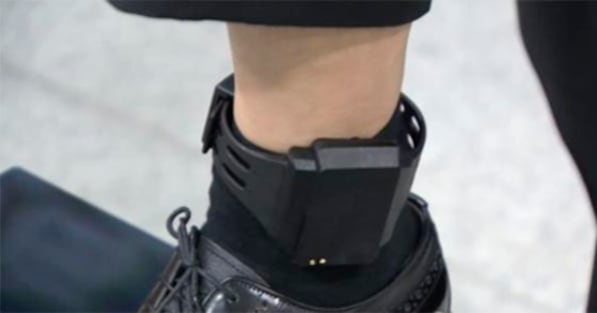
A key legislative amendment, effective in 2024, expanded these options by adding provisional measure No. 3-2: the attachment of an electronic monitoring bracelet. This addition provided authorities with a new, more direct technological means to enforce protective orders and monitor potential aggressors or, as seen recently, to provide direct monitoring for victims.
What Changed
The implementation of measure No. 3-2 saw initial adoption. In the first year of the amended law, Gyeonggi Nambu police processed 50 applications for EM, with 23 receiving court approval in 2024. The following year, applications more than doubled to 101, though approvals remained at 23. However, a stark acceleration occurred in 2026. Through February of that year, only 16 applications for measure No. 3-2 had been filed. March alone witnessed 52 new applications, bringing the total for the year to 68, with 33 approvals already granted.
This rapid increase follows a high-profile incident in Namyangju last month, where a woman in her 20s was fatally stabbed by a man in his 40s whom she had been stalking. Public scrutiny intensified after the murder, with widespread claims of an inadequate police response. Authorities now widely cite this “Namyangju stalking murder case” as a direct catalyst for the heightened proactivity in applying EM measures, shifting from reactive to more preventative strategies.
A Competitive Field
The electronic monitoring sector has no shortage of established players developing the technology central to these new protections. BI Incorporated, backed by GEO Group, remains one of the largest providers in the U.S., offering a range of GPS and RF monitoring solutions. SCRAM Systems dominates the alcohol monitoring niche with its continuous alcohol monitoring ankle devices, but also offers GPS tracking. Attenti, now under Allied Universal, serves programs in over 30 countries with its comprehensive monitoring platforms. Smaller vendors have carved out niches too — from Buddi in the UK, which focuses on discreet and user-friendly designs, to manufacturers offering compact one-piece GPS designs like the CO-EYE series. These advanced devices often feature sophisticated optical-fiber tamper detection and rapid three-second snap-on installation, making them suitable for situations requiring immediate deployment and robust security against interference.
What Comes Next
The dramatic increase in EM applications highlights both an immediate response to tragedy and a broader shift in how law enforcement is leveraging technology for victim safety. Police officials in Gyeonggi Nambu recognize the need for continued refinement, stating that police, prosecutors, and courts must collaborate to analyze and share case outcomes, ultimately working to increase approval rates for these crucial protective measures.
As jurisdictions worldwide grapple with rising rates of stalking and domestic violence, electronic monitoring is increasingly viewed as a viable, technology-driven intervention. The ongoing challenge lies in effectively integrating these tools into existing legal frameworks and ensuring consistent application, maximizing their potential to save lives and enhance community safety.
Source: South Korea police boost electronic bracelet bids after Namyangju murder
Related Resources: GPS Monitoring for Domestic Violence Cases | House Arrest Monitoring Guide | Electronic Monitoring for Bail & Pretrial