








Electronic monitoring plays an increasingly central role in community supervision across the United States. Federal agencies, notably Immigration and Customs Enforcement (ICE), are broadening their use of these technologies. This includes GPS ankle bracelets, remote reporting, and case management services. The expansion comes as demand for alternatives to traditional detention continues to rise.
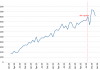
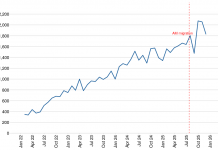
Data indicates a substantial increase in individuals enrolled in federal monitoring programs. ICE’s Alternatives to Detention (ATD) initiative, for instance, currently supervises approximately 180,000 individuals. Many enter the program after release from physical detention facilities. This scale highlights the extensive reliance on electronic tracking and related support services.
Broadening Scope of Supervision Technologies
The services provided by electronic monitoring companies extend beyond simple location tracking. Providers now offer comprehensive packages. These can include traditional GPS ankle monitors and app-based location verification. They also encompass telephonic check-ins and intensive case management. Some contracts even involve in-person verification efforts. These sometimes use plainclothes employees to locate and confirm the whereabouts of individuals. Such “skip-tracing” services mark an evolution in the offerings available to federal agencies.
The financial commitment to these programs is significant. Recent federal contracts for these expanded monitoring services involve substantial investments. One agreement, valued at $121 million, covers part of a wider set of government contracts. These deals illustrate the growing financial landscape for firms operating in this sector. The overall increase in individuals under federal supervision, including a rise in immigration detention levels, correlates with this expansion in monitoring program demand.
A Competitive Field
The electronic monitoring sector has no shortage of established players. BI Incorporated, backed by GEO Group, remains one of the largest providers in the U.S., particularly for federal programs. SCRAM Systems dominates the alcohol monitoring niche with its continuous monitoring ankle devices. Attenti, now under Allied Universal, serves programs in over 30 countries. Smaller vendors have carved out niches too. These include companies like Buddi in the UK, as well as manufacturers offering compact one-piece GPS designs. The CO-EYE series, for example, features optical-fiber tamper detection and a rapid three-second snap-on installation.
The industry’s origins underscore its adaptability. One prominent firm, founded in 1978, initially developed electronic tracking for cattle. It then transitioned to human supervision in the early 1980s. This history reflects a consistent drive to apply tracking technology to diverse supervision needs.
Public Scrutiny and Program Growth
The expansion of electronic monitoring, particularly in sensitive areas like immigration enforcement, does not occur without scrutiny. Community groups and activists often raise awareness about the role of private companies in federal supervision programs. They question the efficacy and human impact of these technologies. Such public discussions are a recurring feature as electronic monitoring programs grow in scope and reach.
Despite these debates, the trend towards greater reliance on electronic monitoring continues. The increase in individuals supervised, alongside significant federal investment, suggests sustained growth. This reflects an ongoing strategy by government agencies to manage populations outside of traditional incarceration facilities.
The future of electronic monitoring points to increased technological sophistication. Expect further integration of advanced analytics, more robust tamper detection mechanisms, and potentially AI-driven insights. These innovations will likely continue to shape community supervision practices for years to come.
Source: Protests planned at Boulder’s BI Inc. over its role in ICE monitoring