What about brain-monitoring bracelet for offender monitoring?
A world-first report from Dr Allan McCay in the Law School scrutinizes advances in neurotechnology and what it might mean for the law and the legal prof...
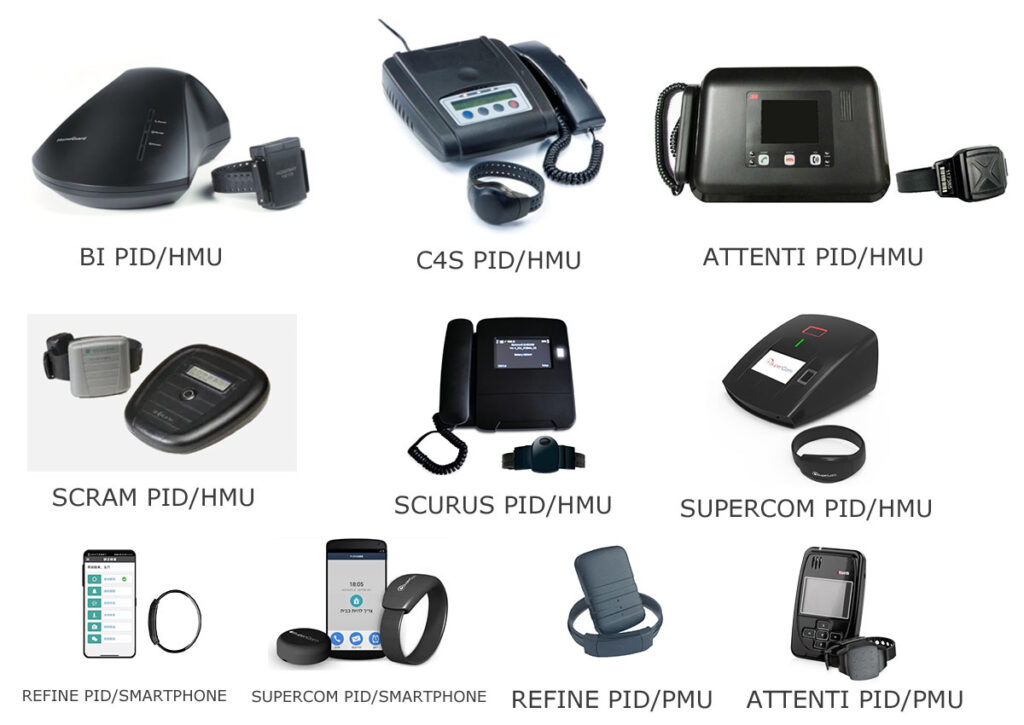
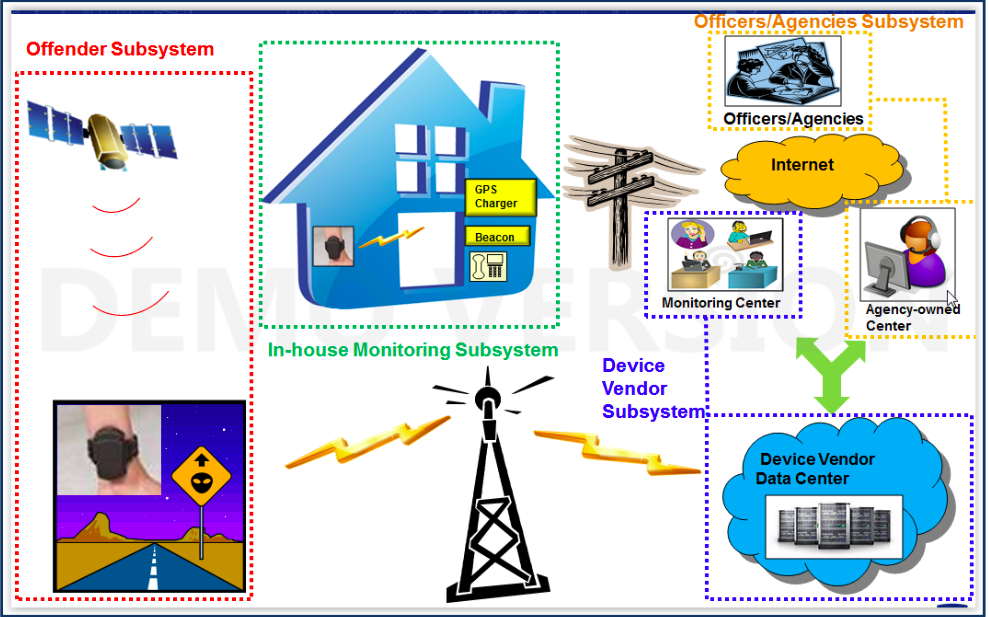
Two-piece model consists of two pieces of equipment, a personal identification device (PID) which is attached to the ankle and the Portable Monitoring U...
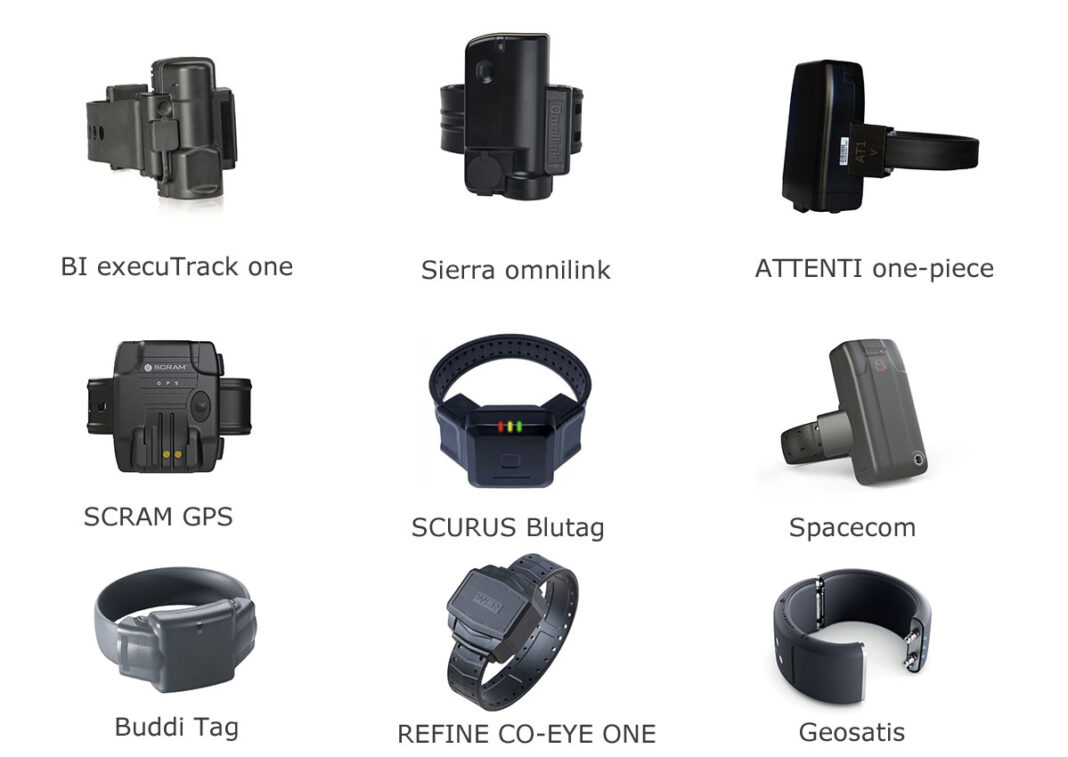
In a one-piece model configuration, a body-attached device contains the location methodology apparatus, communication device, battery, attaching straps ...
Passive Systems:These systems require periodic check-ins via telephone to verify an offender’s presence at the designated location (Crowe 2002).
Early Electronic Monitoring in the Late 20th Century Electronic Monitoring (EM) for non-custodial offenders was first introduced in the early 1980s.
judge, inspired by Spider-Man comics, persuaded a company to develop an electronic anklet and surveillance system suitable for criminals.
More importantly, the origins of law-enforcement electronic monitoring technology have been influenced by changes in the criminal justice system.
The professional application of law-enforcement electronic monitoring technology as a telematic monitoring technology is closely related to the developm...
Criminal justice authorities may wish to control or to monitor the location of an individual without resorting to imprisonment.
West Side Story is hitting the big screen again.