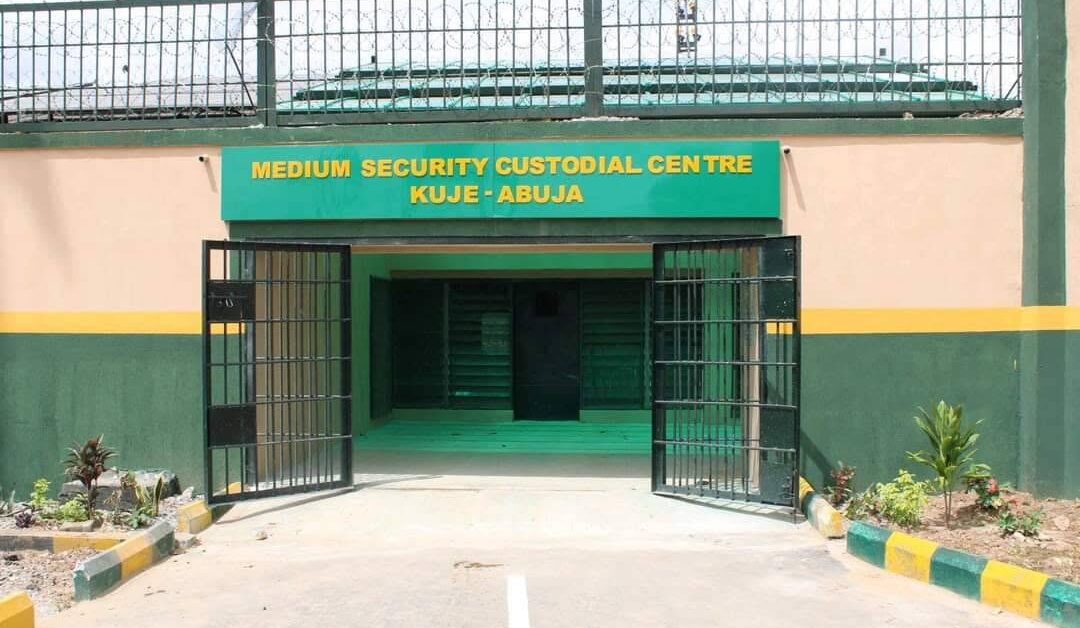
Eleven African nations just sent a clear signal: the era of purely punitive incarceration on the continent is ending. At the 2026 African Correctional Services Association (ACSA) Regional Conference in Abuja, heads of correctional services inspected Nigeria’s Kuje Medium Security Custodial Centre and declared it a benchmark for modern corrections in Africa. The endorsement is more than diplomatic courtesy — it reflects a continental shift toward technology-driven offender management that carries direct implications for electronic monitoring deployment across 54 nations.
Table of Contents
- What Happened at Kuje — and Why It Matters Beyond Nigeria
- The Crisis Driving This Shift: 93% of African Prisons Are Overcrowded
- From CIMS to Community Supervision: The Technology Continuum Africa Needs
- What Africa’s EM Market Requires: Lessons from the Kuje Model
- 1. Unreliable Power and Connectivity
- 2. Limited Technical Personnel
- 3. Scale Economics Under Severe Budget Constraints
- The Kuje-to-Community Pipeline: How This Endorsement Accelerates EM Adoption
- What This Means for the EM Industry
What Happened at Kuje — and Why It Matters Beyond Nigeria
The July 2026 ACSA conference, co-organized with the United Nations Office on Drugs and Crime (UNODC), brought together correctional leaders from 11 countries to examine two critical challenges: prisoner classification and technology adoption in prison management. The three-day event (July 15-17) at Abuja’s Transcorp Hilton culminated in delegates touring Kuje’s operational infrastructure — biometric registration through the Correctional Information Management System (CIMS), the central control room, educational facilities, and vocational training centres where inmates acquire practical skills in ICT, carpentry, tailoring, and solar installation.
Deputy Chairman of ACSA’s West African Region, Sabila Sawadogo, described the facility as conforming to international correctional standards, specifically praising the deployment of digital technology in inmate management. He called these systems “critical pillars for reducing recidivism and improving public safety across Africa.” The UNODC’s Interregional Adviser on Prison and Penal Reform, Philip Meissner, connected the event to Nelson Mandela International Day, emphasizing that technological innovation in correctional systems must be implemented in ways that protect human rights and uphold dignity.
The timing is strategic. Nigeria’s Controller-General of Corrections, Sylvester Ndidi Nwakuche, announced that participating countries unanimously adopted a shared roadmap to strengthen regional cooperation, institutionalize effective prisoner classification systems, and promote the responsible use of technology in corrections. The conference communiqué — endorsed by all 11 delegations — commits signatories to expanding regional information sharing, investing in staff capacity development, and increasing the use of technology in prison management.
The Crisis Driving This Shift: 93% of African Prisons Are Overcrowded
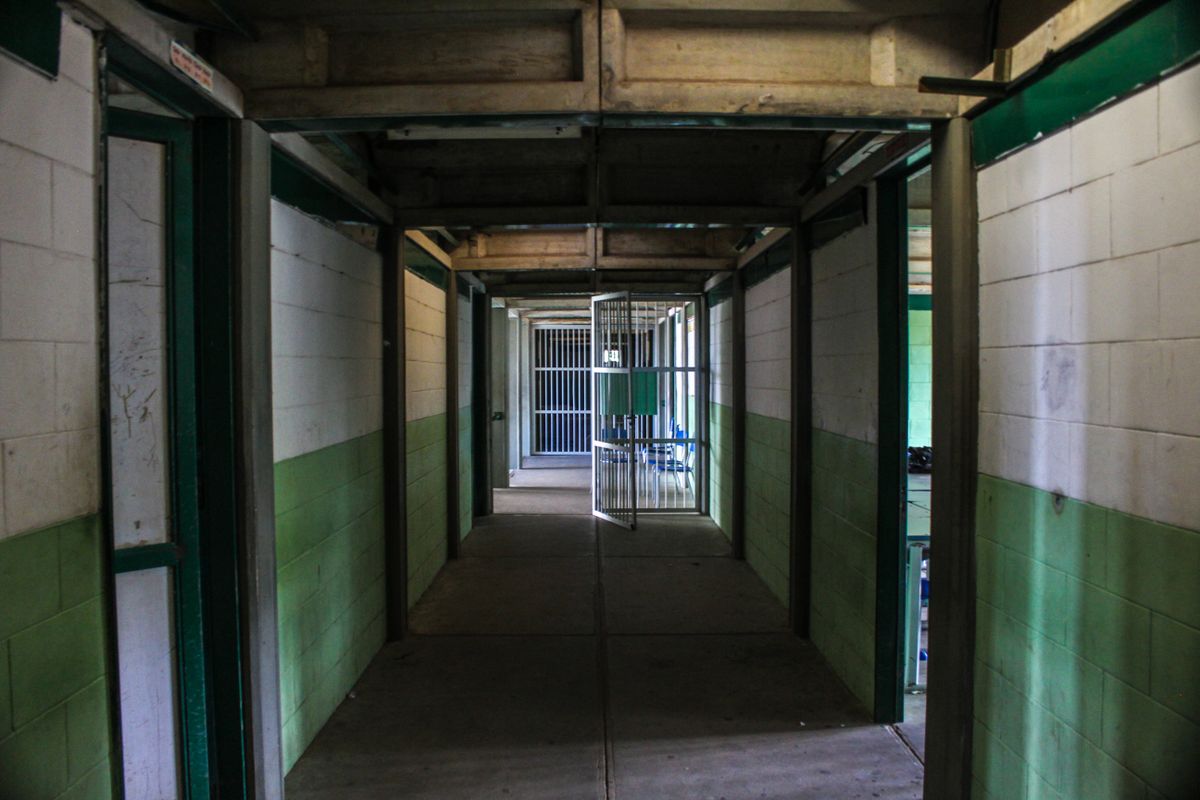
The UNODC’s Prison Matters 2026 report, released days before the Kuje endorsement on Nelson Mandela International Day (July 18), paints a stark picture: approximately 93% of African countries with available data operate prisons above their planned capacity. Globally, more than one in four countries operates at over 150% of intended national prison capacity. Over one-third of Africa’s prison population is held in pre-trial detention — people who haven’t been convicted of anything.
Nigeria epitomizes this crisis. According to the Nigerian Correctional Service’s February 2026 data, the national inmate population stands at 80,812 against a designed capacity of 65,035. More damning: 51,955 inmates — 64% of the total — are awaiting trial. The National Bureau of Statistics reports that Lagos State alone records 221% overcrowding with 9,209 inmates crammed into facilities built for 4,167. These aren’t convicted offenders consuming correctional resources; they’re unconvicted detainees trapped by a slow judiciary and no viable alternatives to physical custody.
Controller-General Nwakuche told the House of Representatives that “many correctional facilities were built over a century ago and have deteriorated significantly, contributing to recurring security breaches and operational strain.” His 2026 budget request of N198.85 billion includes N50.4 billion for inmate feeding alone — a figure that underscores the fiscal pressure driving the search for alternatives to mass incarceration.
The Nigerian Correctional Service Act 2019 explicitly introduced non-custodial measures and rehabilitation-focused sentencing as alternatives, aligning Nigeria with the United Nations Standard Minimum Rules for the Treatment of Prisoners (the Nelson Mandela Rules). The Kuje endorsement validates a model where technology enables this transition — from warehousing inmates to actively managing, classifying, and ultimately diverting low-risk individuals away from overcrowded facilities entirely.
From CIMS to Community Supervision: The Technology Continuum Africa Needs
Nigeria’s Correctional Information Management System (CIMS) — a comprehensive digital platform with approximately 12 integrated modules covering inmate admission, biometric identification, prisoner classification, sentence computation, healthcare management, rehabilitation programme tracking, movement control, case management, and release procedures — addresses the inside of corrections. It has been deployed across Nigeria’s network of 256 custodial centres with funding support from the U.S. Bureau of International Narcotics and Law Enforcement Affairs (INL) and UNODC technical assistance.
The Kuje delegates specifically observed the biometric registration module in action, where every inmate’s personal data, case details, court appearances, and rehabilitation progress are captured from the point of admission and stored in a centralized database. Joy Edwards, Head of ICT and Innovation at the Nigerian Correctional Service Headquarters, has stated that the system has “significantly improved administrative processes while cutting operational costs” — reducing expenses associated with paper documentation, photocopying, and inter-office movement.
But the larger opportunity lies outside the prison walls. The Nigerian Correctional Service Act 2019 explicitly mandates non-custodial sentencing options. The ACSA conference communiqué commits African nations to “expanding the responsible application of technology” in corrections. The UNODC recommends alternatives to imprisonment under the Tokyo Rules and the 2025 Kyoto Model Strategies on Reducing Reoffending.
The gap between aspiration and implementation is hardware. Digital inmate management systems track people inside facilities. Electronic monitoring tracks people outside facilities — on pretrial release, on parole, on community service orders, under house arrest. The first without the second is a half-solution: you can classify and process inmates more efficiently, but you still can’t safely release them without supervision technology that proves to judges, politicians, and the public that released individuals remain under continuous observation.
What Africa’s EM Market Requires: Lessons from the Kuje Model
The Kuje endorsement highlights three infrastructure realities that any electronic monitoring solution must address in the African context:
1. Unreliable Power and Connectivity
Kuje’s own security upgrade after the devastating July 2022 terrorist attack — which saw over 400 inmates escape including suspected Boko Haram members — required solar-powered 24-hour lighting. The facility had previously suffered power outages that contributed to the security breach; the Army Chief testified that “there was no lightning within the general area” before the attack. If a flagship prison in the national capital needs solar backup for basic lighting, community supervision devices must operate independently of grid power for extended periods.
Devices relying on 24-72 hour battery cycles and continuous cellular connectivity are fundamentally unsuitable for deployment across Sub-Saharan Africa’s coverage-challenged environments. Multi-mode connectivity — BLE for low-power indoor scenarios, WiFi-directed communication where cellular infrastructure is unavailable, and LTE as a fallback — addresses the reality that African deployments face far more connectivity dead zones than Western ones. Battery life measured in weeks rather than hours becomes not a premium feature but a baseline operational requirement.
2. Limited Technical Personnel
The ACSA conference repeatedly emphasized that “technology alone cannot transform correctional systems unless officers possess the knowledge and skills necessary to deploy and manage these innovations effectively.” Nigeria has invested in extensive CIMS training programs through the Public and Private Development Centre (PPDC), and even then, the digital prisoner classification module is still rolling out state by state — with Adamawa, Gombe, Kaduna, Niger, Ebonyi, and FCT as early adopters in 2026.
For EM hardware, this translates directly to installation simplicity. A device requiring specialized tools, multi-step calibration, or frequent maintenance creates a bottleneck that Africa’s thin correctional officer-to-inmate ratios cannot sustain. Tool-free installation measured in seconds rather than minutes; automated connectivity switching that requires zero manual intervention; self-diagnostic alerts that reduce field support requirements — these aren’t convenience features in the African context. They’re deployment prerequisites.
3. Scale Economics Under Severe Budget Constraints
Nigeria’s entire 2026 correctional budget request is N198.85 billion (approximately $120 million), covering 80,000+ inmates across 256 facilities. Per-inmate spending is a fraction of Western standards. N27.28 billion was spent on inmate feeding alone in 2025, while capital projects received only N3.22 billion. Two-piece GPS systems requiring separate tracking units, home beacons, and dedicated charging infrastructure multiply cost per offender in ways that are simply unaffordable at African scale. One-piece integrated devices that eliminate external dependencies and minimize charging frequency offer the total cost of ownership profile that African procurement budgets demand.
The Kuje-to-Community Pipeline: How This Endorsement Accelerates EM Adoption
The ACSA roadmap adopted at the conference creates a clear trajectory for technology adoption across African corrections:
- Phase 1 (Underway): Digital inmate management systems (CIMS and equivalents) deployed inside custodial facilities for classification, biometric documentation, and case tracking
- Phase 2 (Emerging): Biometric identification enabling reliable post-release tracking, coordination with judiciary and law enforcement, and electronic records that follow offenders across institutional boundaries
- Phase 3 (Next): Electronic monitoring hardware deployed for non-custodial measures — pretrial release for the 64% of Nigerian inmates awaiting trial, parole supervision, house arrest alternatives, and community service monitoring
Nigeria sits squarely at the Phase 1-2 transition, with CIMS operational in multiple states and biometric data collection approaching comprehensive national coverage. Other African nations are at various stages:
- South Africa operates Africa’s largest existing EM program through the Department of Correctional Services, with GPS ankle monitor deployments for house arrest and parole supervision since the mid-2000s
- Tanzania has issued presidential directives for post-release monitoring systems, with the President’s ICT monitoring mandate targeting its 129 prison jurisdictions
- Kenya has piloted electronic monitoring for pretrial release in Nairobi, with the Judiciary exploring GPS tracking as a bail condition for non-violent offenses
- Rwanda‘s tech-forward governance has explored digital monitoring as part of broader justice sector modernization
The 11 nations at the ACSA conference — representing West, East, and Southern Africa — have now collectively committed to this technology trajectory. The Acting Director of the U.S. Bureau of International Narcotics and Law Enforcement Affairs (INL), Douglas Grane, praised Nigeria’s correctional leadership at the conference, signaling continued U.S. development funding for correctional technology infrastructure.
What This Means for the EM Industry
The Kuje endorsement is not a single procurement event. It’s a policy signal from 11 governments simultaneously declaring that technology-driven corrections is their future. For EM vendors, the implications are concrete:
- Procurement cycles are beginning: Nations adopting CIMS-style systems will naturally progress to EM hardware within 2-4 years as non-custodial sentencing frameworks mature and judiciary confidence in technology-supervised release grows
- Device specifications must match local conditions: African deployments require hardware designed for unreliable power grids, limited and inconsistent cellular coverage, extreme heat (40°C+), high humidity, dust ingress, and rough handling — not repackaged devices optimized for American suburban environments with reliable 4G coverage and daily charging access
- International development funding is engaged: UNODC, INL (U.S. State Department), DFID successors, and EU development partners are actively funding correctional technology deployment across Africa — EM hardware procurement follows digital systems investment as the logical next phase
- Regional procurement is the model: ACSA’s regional cooperation framework and the adopted conference communiqué suggest that successful pilots in one country will drive multi-nation adoption through knowledge sharing, standardized procurement specifications, and joint capacity building
The 93% overcrowding statistic isn’t just a crisis metric — it’s a market signal. Fifty-four nations with overcrowded prisons, limited budgets, growing political pressure to demonstrate rehabilitation outcomes, and increasing alignment with international standards (Mandela Rules, Tokyo Rules, Kyoto Strategies) need cost-effective supervision alternatives. The Kuje model proves that Africa’s correctional leaders are ready to adopt technology. The question is whether EM vendors are ready to deliver devices that actually work in African conditions — where weeks-long battery life, multi-mode connectivity that survives cellular dead zones, tool-free deployment for undertrained staff, and extreme environmental durability aren’t marketing differentiators but survival requirements.